Real Estate in Krasnodar — Overview and Practical Guide
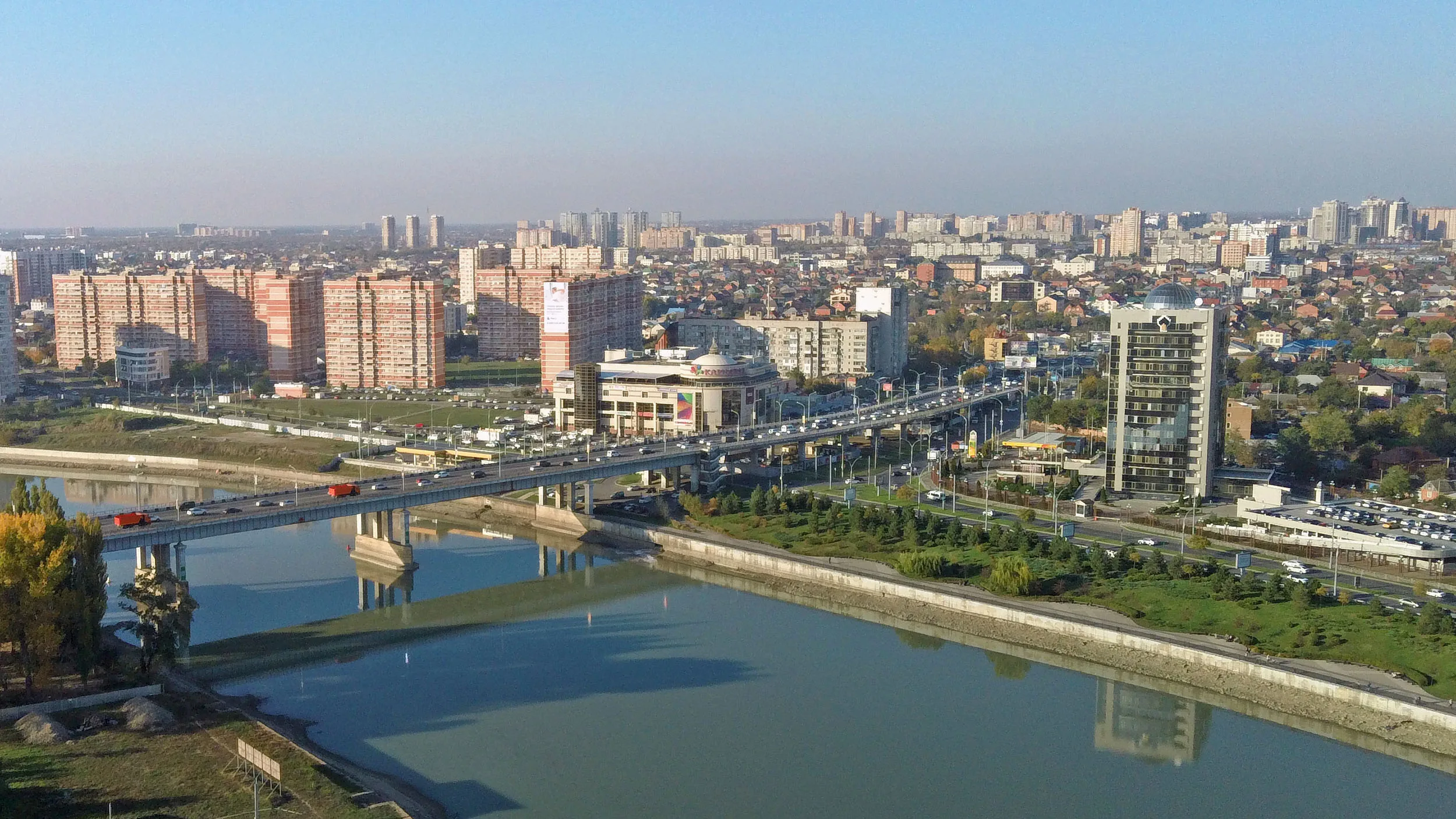
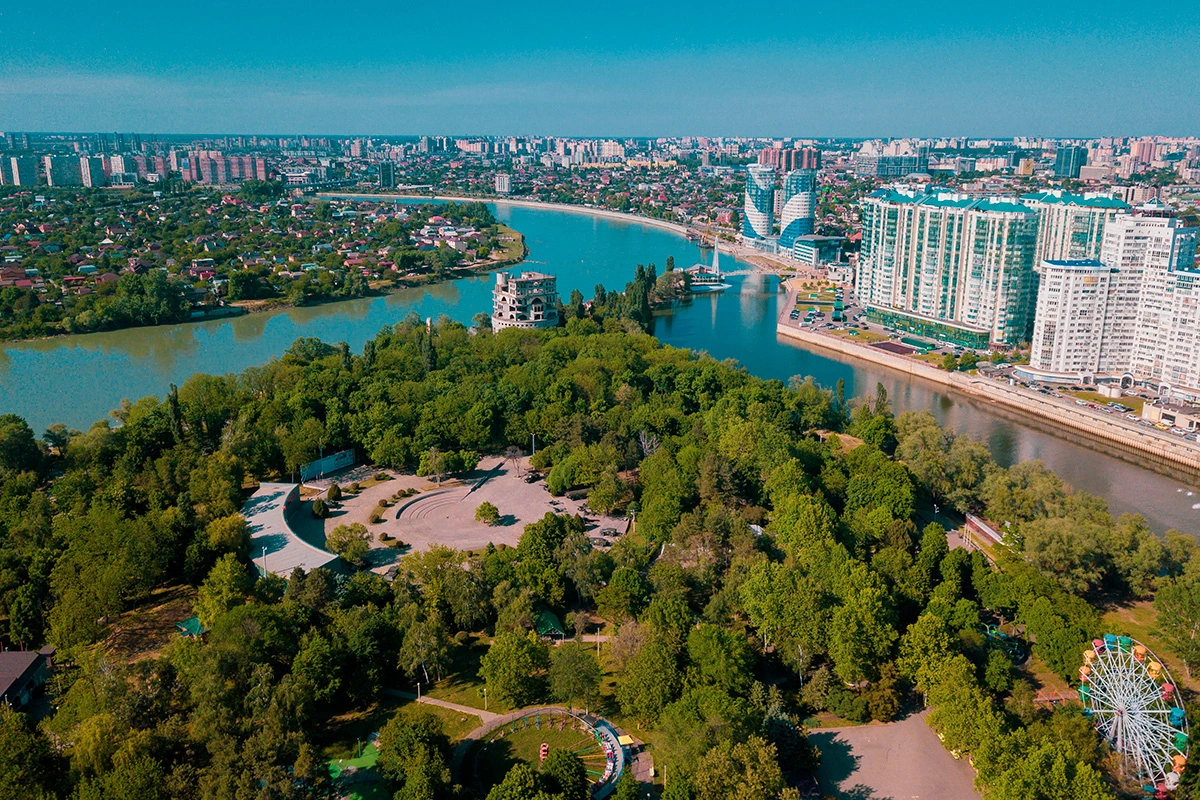
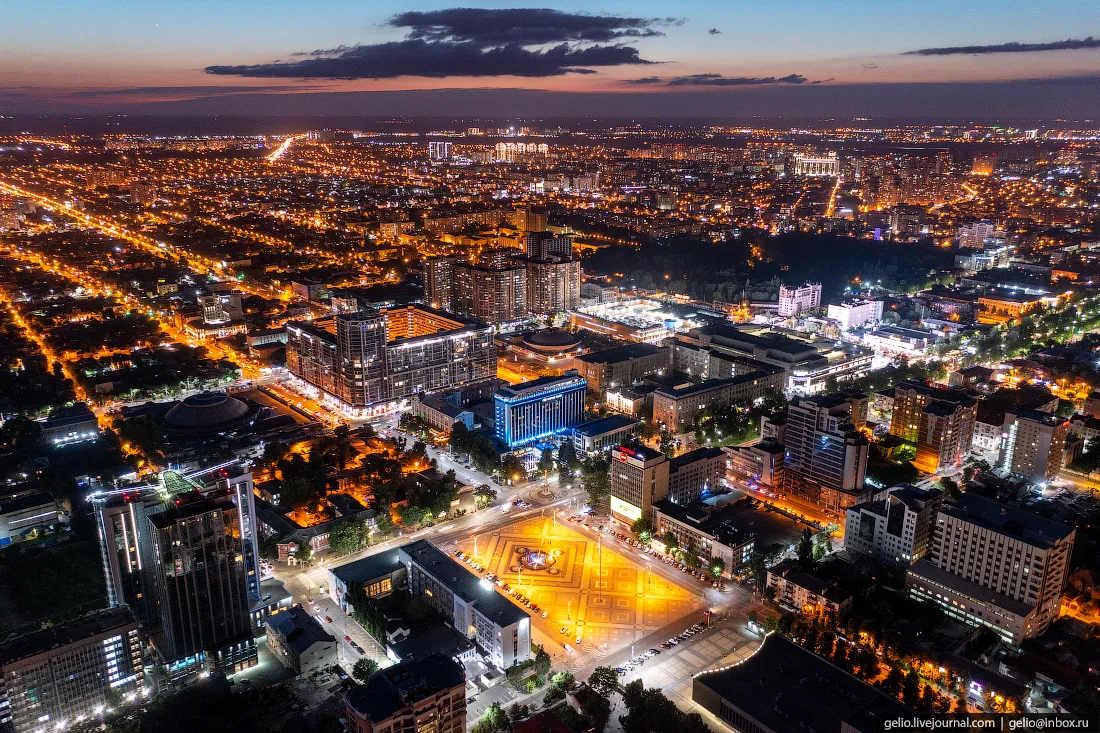
Krasnodar is a fast-growing regional capital in southern Russia with a mild climate, expanding infrastructure and steady demand for housing. Whether you’re buying to live, renting out or investing, understanding local market drivers, property types and legal steps will help you make a confident decision.
Why Krasnodar attracts buyers and investors
— Strategic regional center: administrative, educational and economic hub of Kuban region.
— Growing population and internal migration from smaller towns increase housing demand.
— Relatively affordable compared with Moscow and St. Petersburg, offering attractive value for money.
— Diverse property stock: historic centre apartments, large new-build complexes, private houses and land plots on the city outskirts.
Types of property to consider
— Apartments in new developments (novostroyki): modern layouts, warranties from developers, infrastructure in microrayons.
— Secondary-market flats: often in established central districts — faster move-in, possible renovation projects.
— Private houses and cottages: popular on the city outskirts and in nearby villages for families wanting more space.
— Land plots: for private construction or speculative buying, subject to land-use and zoning rules.
— Commercial real estate: retail, offices and warehouses serving a growing regional economy.
Current market trends (general)
— Ongoing construction of residential complexes and infrastructure projects.
— Balanced demand from owner-occupiers and small investors; rentals supported by students and workers.
— Price dynamics vary by location, building quality and developer reputation — research local listings and recent transactions.
Practical buying steps
1. Define goals: primary residence, rental income, long-term appreciation.
2. Choose area: central vs new districts vs outskirts — weigh commute, schools, transport and amenities.
3. Inspect properties in person — photo listings can misrepresent condition and layout.
4. Perform due diligence:
— Check ownership title, encumbrances and past transaction history.
— Verify cadastral and technical passports.
— Confirm building permits and developer documents for new projects.
5. Negotiate price and terms — include timelines and penalties where appropriate.
6. Use a notary for contract signing and register rights with the Federal Service for State Registration (Rosreestr).
7. Transfer funds with traceable methods; keep all receipts and registration documents.
Legal and tax considerations
— Foreign individuals can purchase residential property in Russia; restrictions apply to certain land categories (e.g., agricultural land, border zones) — always confirm current regulations.
— Property rights must be registered with Rosreestr; registration is required to protect ownership.
— Annual property tax applies; there are one-time registration fees and possible notary costs at sale.
— For complicated transactions or cross-border purchases, engage a local real estate lawyer.
Mortgages and financing
— Russian banks provide mortgages to residents and, in some cases, to foreigners (requirements vary).
— Typical process: pre-approval → property valuation → application → down payment and registration.
— Shop around for competitive rates and read loan terms carefully (fees, penalties, insurance).
Rental market and returns
— Demand driven by students, young professionals and temporary workers.
— Yields depend on location, property condition and management costs — evaluate gross and net returns after taxes, utilities and maintenance.
— Consider short-term vs long-term rentals: short-term can bring higher income but requires active management.
Renovation and resale tips
— Invest in practical, neutral renovations to maximize rental appeal and resale value.
— Focus on kitchens and bathrooms, efficient layouts and energy-saving systems.
— Certificate of completed renovations and permits (if required) help at resale.
Checklist for buyers
— Verify seller identity and ownership documents.
— Check for encumbrances, mortgages, or disputed claims.
— Inspect technical condition (foundation, roof, plumbing, wiring).
— Confirm boundaries for land plots and utility access.
— Ensure all contractual terms are clear: price, deposit, handover date, defects policy.
Working with professionals
— Real estate agent: helps find properties, negotiate and simplifies paperwork.
— Notary: certifies contracts and some transaction steps.
— Lawyer: critical for complex deals, foreign buyers or disputed titles.
— Appraiser: independent valuation for purchase or mortgage purposes.
— Property manager: useful for investors who rent remotely.
Final recommendations
— Do on-the-ground research: visit neighborhoods at different times and speak with locals.
— Use multiple sources: listings, registries, developer information and independent advisers.
— Prioritize legal clarity over a low price — clear title and proper registration protect your investment.
— If unsure, take time: market cycles and local specifics reward careful, informed decisions.
If you want, I can prepare a focused neighborhood comparison in Krasnodar, a sample buyer checklist tailored to your budget, or a template message to send to local agents and lawyers. Which would you prefer?