Real Estate in Krasnodar: Market Overview, Buying Guide, and Investment Tips
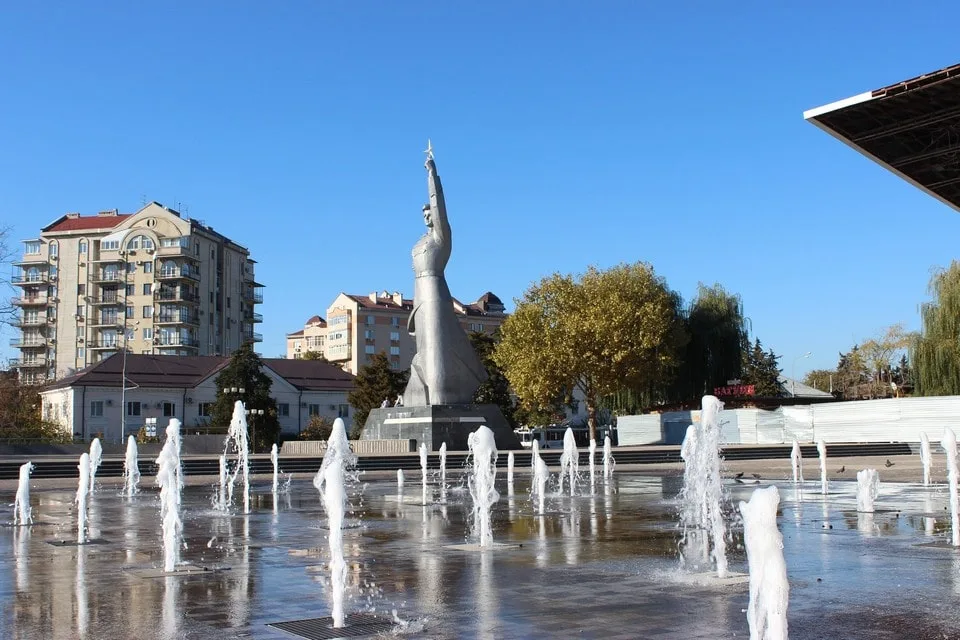
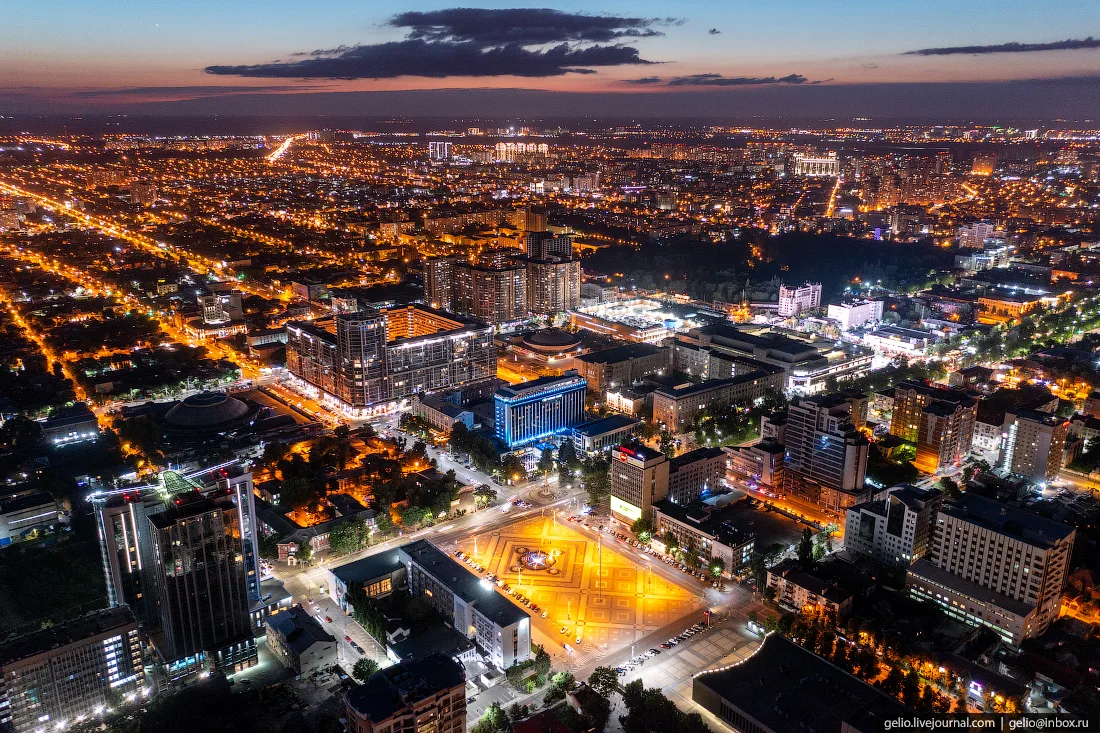
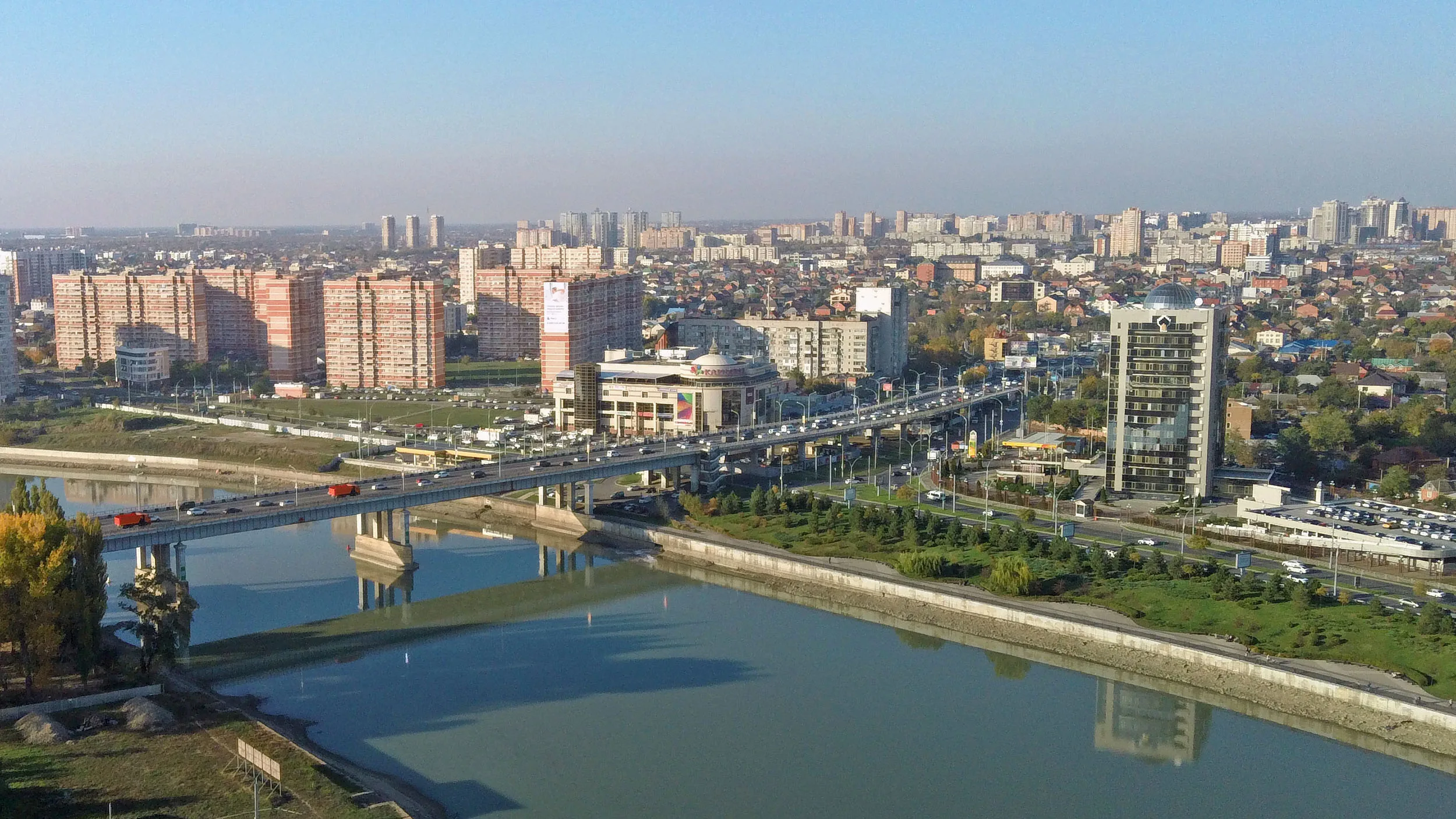
Krasnodar is one of Russia’s fastest-growing regional centers. Positioned as an economic, agricultural and logistics hub in the South of Russia, it attracts residents, students and businesses. For buyers and investors, Krasnodar offers a mix of established central neighborhoods and rapidly developing suburbs — presenting opportunities for capital appreciation and rental income.
Why Krasnodar?
— Strategic location: close to the Black Sea resorts and major transport corridors, with strong agricultural and industrial sectors.
— Growing population and internal migration from smaller towns, supporting demand for housing and rental units.
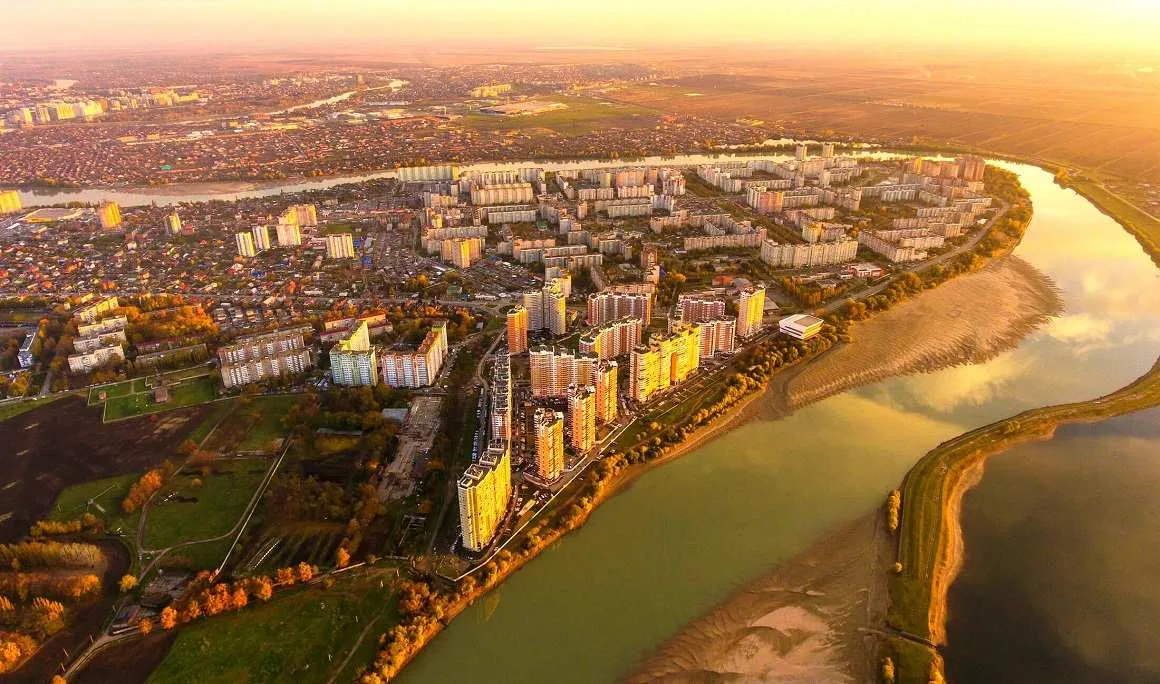
— Active new-construction market: developers are building modern apartment complexes, mixed-use projects and infrastructure improvements.
— Lower entry prices compared with Moscow and St. Petersburg, which can mean higher relative yield potential.
Market trends to watch
— New construction remains a market driver: buyers are choosing apartments in modern complexes with amenities (parking, security, playgrounds).
— Demand for family-friendly housing and commuter-friendly developments outside the historic center.
— Increasing interest from local investors in buy-to-let properties and renovation flips.
— Infrastructure projects (roads, transport links, commercial development) tend to boost values in adjacent neighborhoods.
Best areas to consider
— Central district (city center): prime for resale value, amenities, culture and shorter commutes.
— Right-bank/residential zones: newer developments, larger apartment complexes, better value per square meter.
— Suburban new-build clusters: good for buyers seeking modern layouts and lower prices, though consider commute times.
— Near universities and hospitals: steady rental demand from students, medical staff and professionals.
(When choosing a neighborhood, prioritize proximity to transport, shops, schools, and planned infrastructure works.)
Buying process — practical steps
1. Define objectives: primary residence, long-term rental, short-term rental, or speculative flip.
2. Search and shortlist properties through respected agencies and official listings.
3. Due diligence:
— Verify ownership and check for encumbrances using Rosreestr records.
— Request cadastral and technical passports.
— Confirm developer credentials and building permits for new constructions.
4. Negotiate terms and sign a preliminary agreement (option contract or deposit agreement).
5. Execute the final purchase contract, typically notarized for added security.
6. Register ownership with Rosreestr (state registration).
7. Transfer funds securely — use escrow or bank transfer; avoid cash when possible.
8. Update utilities and residency records.
Always use a local real estate lawyer or notary to confirm documents and registration details.
Rules for foreign buyers
— Foreign individuals can generally buy apartments and houses in Russian cities.
— There are restrictions on buying certain land types (agricultural land and land near state borders).
— Legal and tax implications vary by nationality and residency status — consult a lawyer and tax advisor before purchasing.
Financing and costs
— Mortgages are available from Russian banks; terms depend on borrower profile, down payment and credit history.
— Budget for additional costs beyond the purchase price: notary fees, registration fees, realtor commission (if applicable), property inspection, and minor renovations.
— Factor in ongoing costs: property tax, utilities, condo fees and maintenance.
Rental market and returns
— Steady demand from students, young professionals and families; demand stronger for well-located, renovated apartments.
— Short-term rentals may perform well in tourist seasons but require active management.
— Improve rental returns by:
— Renovating to modern standards.
— Offering furnished units with reliable utilities and internet.
— Targeting specific tenant groups (students, corporate renters).
Risks and how to mitigate them
— Market volatility: keep a medium-to-long-term horizon and diversify your investments.
— Developer risk: when buying off-plan, verify developer track record and escrow protections.
— Legal/title issues: use official Rosreestr checks and legal support.
— Liquidity: some segments sell faster (city center, modern units) than others (outlying or poorly maintained properties).
Quick checklist before you buy
— Confirm seller identity and title using Rosreestr.
— Check utility debts and encumbrances.
— Inspect property condition and building maintenance records.
— Verify legal status and permits for new-build projects.
— Arrange a certified appraisal (if financing) and a technical inspection.
— Consult a local lawyer and tax advisor about post-purchase obligations.
Final thoughts
Krasnodar offers attractive opportunities for both homeowners and investors thanks to population growth and active development. Success depends on clear objectives, careful due diligence, and working with trusted local professionals — realtors, lawyers, and financial advisors. If you’re considering a purchase, start with market research, site visits, and a legal review to make an informed, low-risk decision.
If you’d like, I can prepare:
— A tailored neighborhood comparison based on your budget and goals.
— A checklist for viewing apartments.
— A list of questions to ask developers and sellers.