Buying and Investing in Krasnodar Real Estate: A Practical Guide
Krasnodar is a dynamic regional hub in southern Russia with growing residential demand, expanding infrastructure and strong links to the agricultural and industrial economy of the Kuban. Whether you’re a first‑time buyer, an investor or relocating, understanding local market features and the purchase process will help you make informed decisions.
Market overview
— Krasnodar’s real estate market combines *new-build developments* (novostroyki) and a sizable *secondary market* of Soviet-era and post‑Soviet apartments.
— Demand is driven by internal migration, regional employment, and students; infrastructure improvements and new residential projects keep the market active.
— Typical buyer profiles include young families, professionals working in regional businesses, and investors targeting rental income or capital appreciation.
Where to look: neighborhood types and what they offer
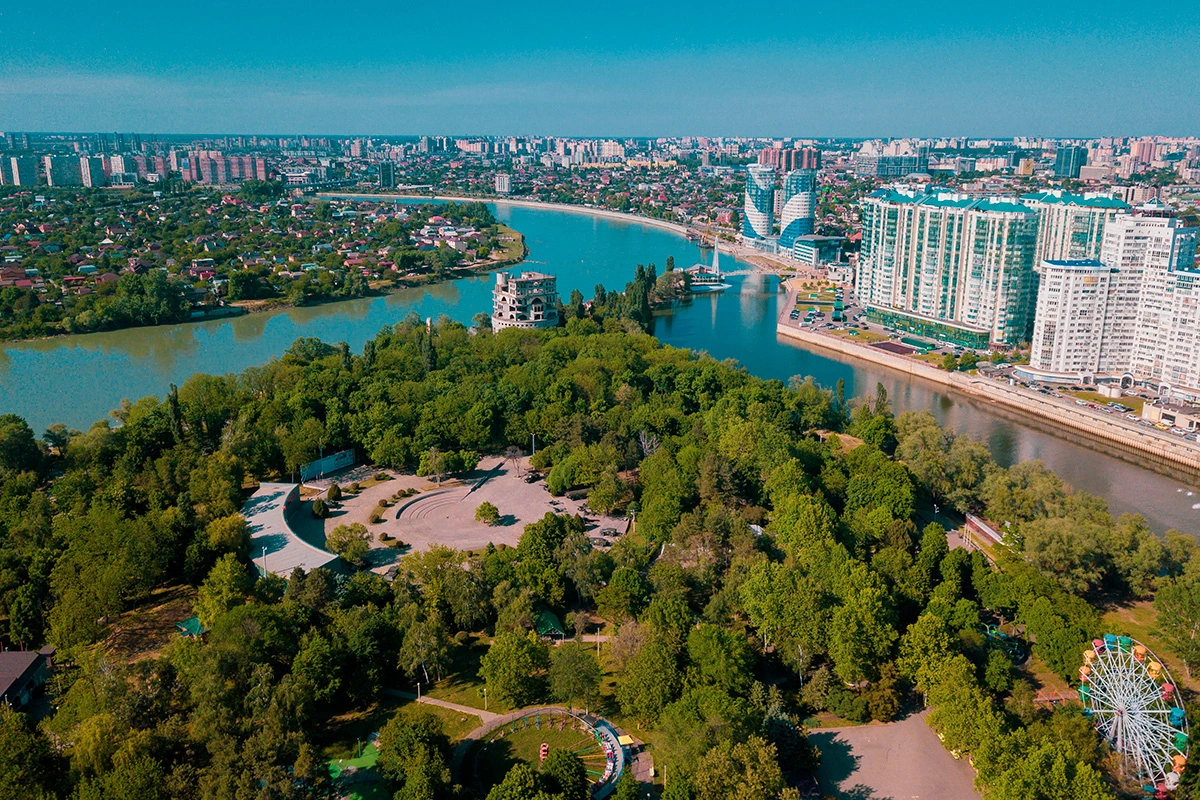
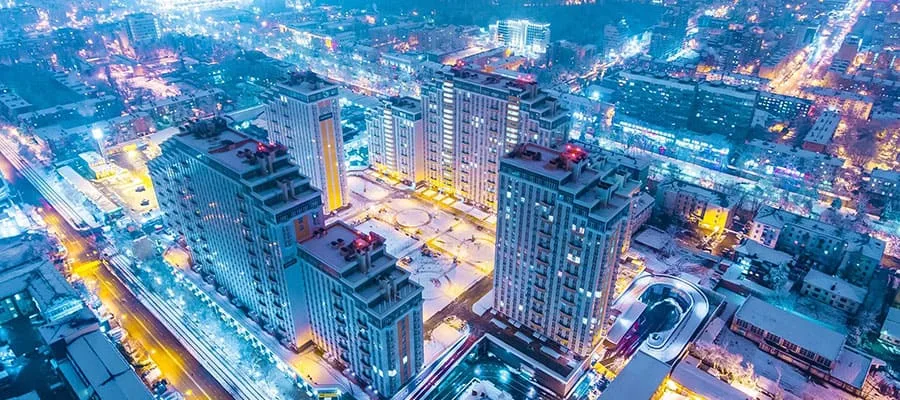
— City center (downtown) — Close to administration, universities, cultural amenities and major transport hubs. Good for professionals and buyers who prioritize walkability and services.
— Established residential districts — Offer a mix of mid‑rise Soviet/modern apartments, schools and markets. Often deliver better value per square meter.
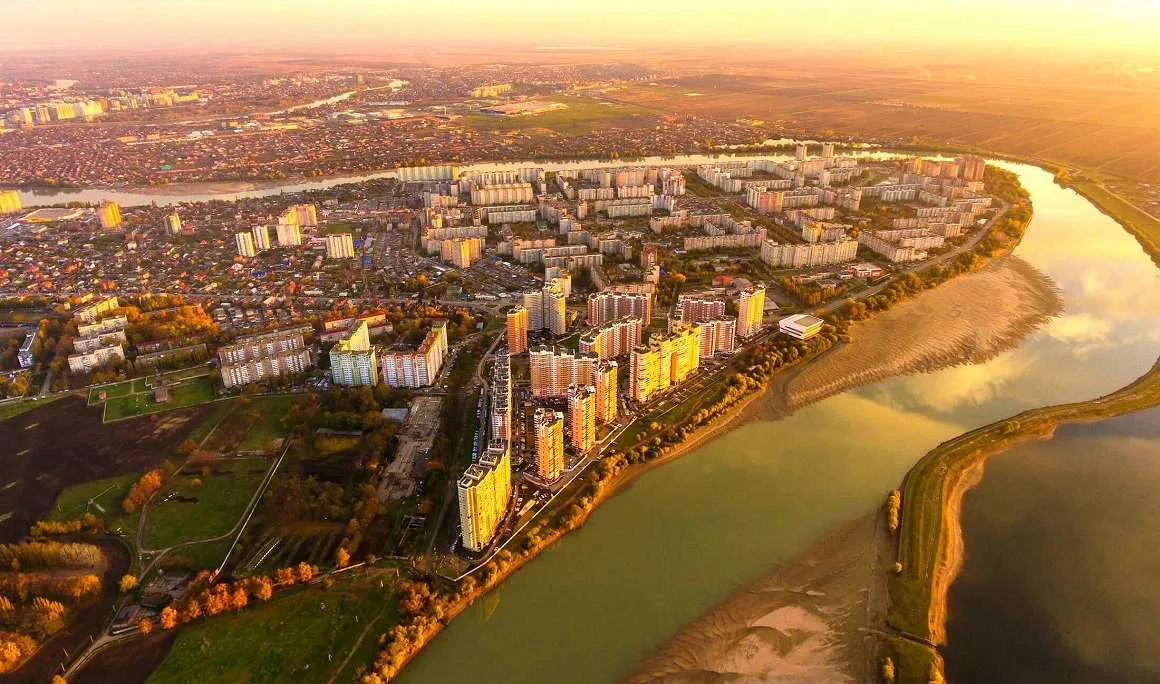
— New residential complexes (microrayony/novostroyki) — Modern layouts, amenities (playgrounds, parking, security). Attractive for families and long-term residents.
— Suburban areas and cottage settlements — Plots and single‑family homes outside the city appeals to buyers seeking more space and gardens. Consider commuting time and utilities.
— Emerging corridors — Zones near major highways or planned infrastructure projects can offer higher upside but carry development risk.
Types of properties to consider
— Studio and one‑bedroom apartments — Popular with young professionals and students; easier to rent.
— Family apartments (2–3 bedrooms) — Stable long‑term demand from families; often a safer long‑term hold.
— New builds vs secondary market — New builds offer modern amenities and warranties; secondary market can provide bargaining power and central locations.
— Commercial real estate — Offices, retail or warehousing can diversify investments but require specialized management.
Step-by-step buying process (practical checklist)
1. Define goals: primary residence, rental income, or capital growth.
2. Set budget and financing plan (cash, mortgage, combination).
3. Shortlist neighborhoods and properties; view multiple options.
4. Conduct due diligence:
— Verify ownership and encumbrances in the EGRN (Unified State Register of Real Estate).
— Confirm legal status of the property (mortgages, leases, disputes).
— Check cadastral number and property boundaries.
5. Negotiate price and conditions with the seller.
6. Prepare a sale‑and‑purchase agreement and involve a trusted notary or lawyer.
7. Register the transaction with Rosreestr and ensure transfer of keys and utilities.
8. Keep copies of all documents and update tax/utility registrations.
*Tip:* Use an escrow service or notary‑handled scheme to reduce payment risk.
Financing and mortgages
— Major Russian banks offer mortgages (ипотека) with varying terms. Preapproval helps when making offers.
— There are often preferential programs for certain groups (young families, military, developers’ promotions). Check current bank offers and government programs.
— For investors, evaluate mortgage rates versus rental yields and cash flow.
Rental and investment considerations
— Demand for long‑term rentals is steady from working professionals and students.
— Short‑term/seasonal rentals may be possible but depend on location and local regulations.
— Key drivers of rental attractiveness: proximity to transport, universities, hospitals, and quality of interior/finishes.
— Maintain realistic expectations on yields and factor in vacancy periods, management costs and taxes.
Legal and tax essentials
— Foreigners can purchase most urban real estate in Russia, but there are restrictions on agricultural land and properties in certain border zones — check current regulations.
— Register ownership in the EGRN via Rosreestr to secure title.
— Property tax, income tax on rental income and rules for capital gains apply — consult a local tax advisor for liabilities and reporting requirements.
— Engage a qualified real estate lawyer or notary to review contracts, especially for new builds or complex deals.
Practical tips for buyers
— Inspect utilities, heating and insulation — energy efficiency affects living costs and resale value.
— Verify developer reputation, construction timelines and completion documents when buying off‑plan.
— Look for properties with flexible layouts that appeal to a wide tenant/buyer pool.
— Consider a local agent for market knowledge, but confirm their credentials and references.
— Plan for extra costs: renovation, notary fees, registration, utilities setup and local taxes.
Final thoughts
Krasnodar offers a varied market with opportunities for both homeowners and investors. Success depends on clear objectives, careful due diligence and using local professional support (real estate agents, lawyers, tax advisors). Start with a shortlist of neighborhoods that fit your lifestyle or investment thesis, verify legal status through the EGRN, and structure financing to match your holding period and risk tolerance.
If you’d like, I can:
— Help create a shortlist of neighborhoods based on your priorities (budget, commute, family/amenities).
— Draft a checklist for viewing apartments or evaluating a developer.
— Provide a sample set of questions to ask sellers or agents during viewings.