Overview
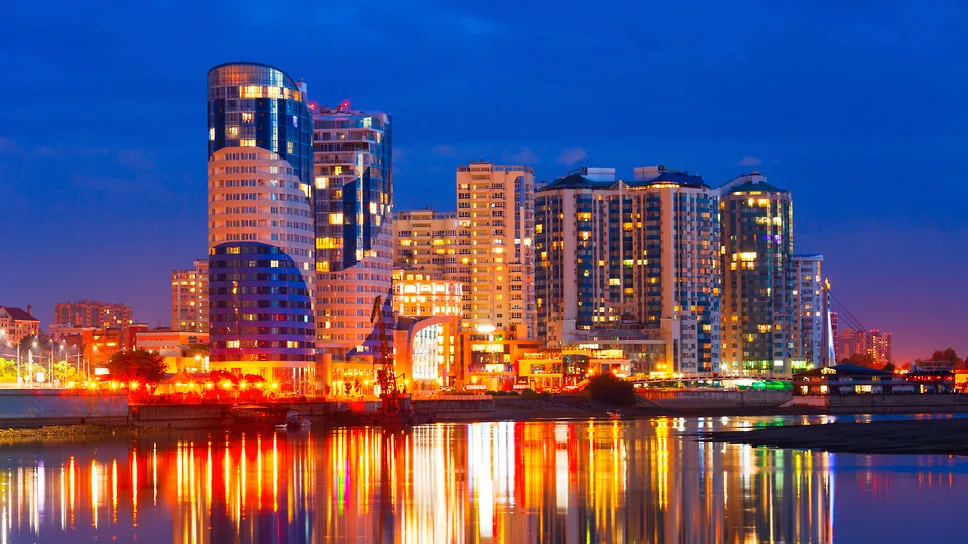
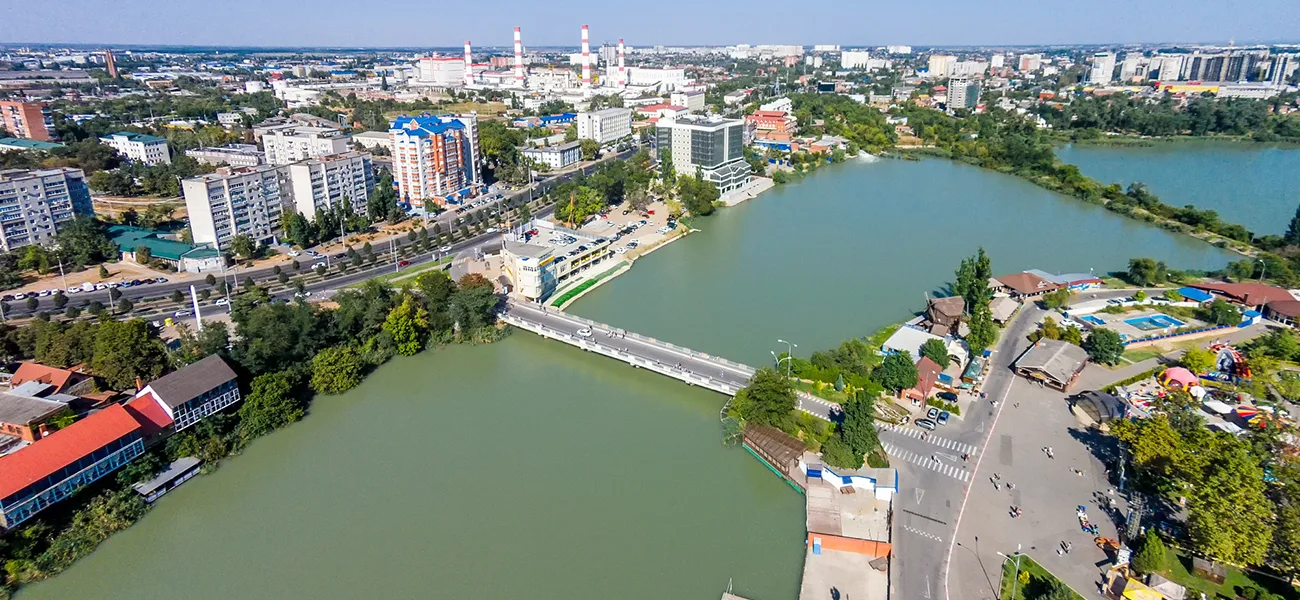
Krasnodar, the administrative and economic center of Krasnodar Krai in southern Russia, has become one of the country’s most dynamic regional property markets. With a growing population, improving infrastructure, proximity to the Black Sea and major agricultural and industrial activity, the city offers a mix of urban convenience and relatively affordable real estate compared with Moscow or St. Petersburg.
Why Consider Krasnodar
— Strategic location: close to Sochi and the Black Sea coast, a gateway to the southern economic corridor.
— Economic drivers: agribusiness, manufacturing, logistics and regional government services sustain year-round demand.
— Infrastructure improvements: expanded road networks, airport upgrades and new residential/commercial projects.
— Quality of life: mild climate, parks, cultural institutions and a developing café/restaurant scene attract young professionals and families.
— Affordability: prices and cost of living are generally lower than Russia’s largest cities, improving entry opportunities for buyers and investors.
Key Neighborhoods and Microdistricts
— *City Center (Tsentralny)*: best for amenities, historic architecture, cafés and business services—suitable for higher-end purchases and long-term capital appreciation.
— *Cheremushki, Yubileyny, and other established districts*: balance of older Soviet-era housing and newer infill developments—good for rental demand and practical buyers.
— *Northern and Western residential areas*: offer newer multi-story developments and microdistricts popular with families.
— *Outskirts and suburbs*: growing demand for low-rise living and dacha-style homes; attractive for those seeking more space or investment in suburban developments.
New-Build vs Secondary Market
— New-build advantages: modern layouts, energy efficiency, developer warranties, staged payment plans.
— Secondary market advantages: immediate occupancy, established neighborhoods, often lower price per square meter in older stock.
— Resale potential: renovated apartments in central locations and well-connected microdistricts often sell faster and command premiums.
Prices and Rental Yields (Qualitative Guidance)
— Price levels are typically lower than Russia’s largest cities, making Krasnodar appealing for first-time buyers and small investors.
— Rental demand is steady—long-term rentals to families and professionals, plus seasonal demand tied to tourism and migrant workers.
— Yields tend to be modest and vary by location and property type; central and well-located one- and two-bedroom apartments usually perform best for landlords.
Buying Process — Step-by-Step
1. Define goals: residence, rental income, or capital growth.
2. Research neighborhoods and set a realistic budget including taxes and fees.
3. Inspect properties in person or via trusted local agents; verify building quality and utilities.
4. Conduct due diligence: ownership title, encumbrances, developer reputation (for new builds).
5. Negotiate and sign preliminary agreements; deposit terms should be clear.
6. Execute the sales contract and register ownership at the relevant Rosreestr office (state property registry).
7. Transfer funds through documented banking channels; obtain all transaction documents and keys.
Financing & Mortgages
— Russian banks offer mortgages with varying terms; residents get more favorable rates and conditions.
— Foreign nationals can purchase property in Russia (except most agricultural land), but mortgage options for non-residents may be limited or require larger down payments.
— Compare banks and developer financing offers; account for interest, fees, and currency considerations.
Legal and Tax Considerations
— Foreign buyers: generally allowed to buy urban real estate; agricultural land purchases are restricted in many cases—check current regulations.
— Registration: ownership must be recorded with Rosreestr to ensure legal protection.
— Taxes: property tax and potential income tax on rental income or capital gains apply; rates and exemptions change, so consult a tax advisor.
— Due diligence: always verify clean title, absence of unpaid utilities, and any encumbrances (e.g., mortgages, court claims).
Practical Tips for Buyers and Investors
— Work with reputable local agents and lawyers; local knowledge is crucial for navigating paperwork and regulations.
— Prioritize transport links and local amenities—schools, shops and medical centers add resilience to demand.
— Check developer track records and completion timelines for new projects.
— Consider rental management services if investing from abroad.
— Factor in renovation costs and energy-efficiency upgrades when assessing total investment.
Market Outlook
Krasnodar’s real estate market benefits from regional economic activity and its role as a southern hub. Expect gradual price appreciation in well-located properties, steady rental demand, and continued development of infrastructure. However, local and national economic or policy changes can affect pace and returns—diversify risk and plan with a medium- to long-term horizon.
Conclusion
Krasnodar offers attractive opportunities for buyers seeking affordability, steady rental markets and regional growth potential. Whether you’re a first-time buyer, a resident seeking a family home, or an investor targeting steady yields, careful research, professional advice and on-the-ground checks are essential steps to a successful transaction.
If you’d like, I can:
— summarize suitable neighborhoods based on your budget and goals, or
— draft a checklist for viewing apartments in Krasnodar.