Real Estate in Krasnodar: Market Overview, Opportunities and Practical Advice
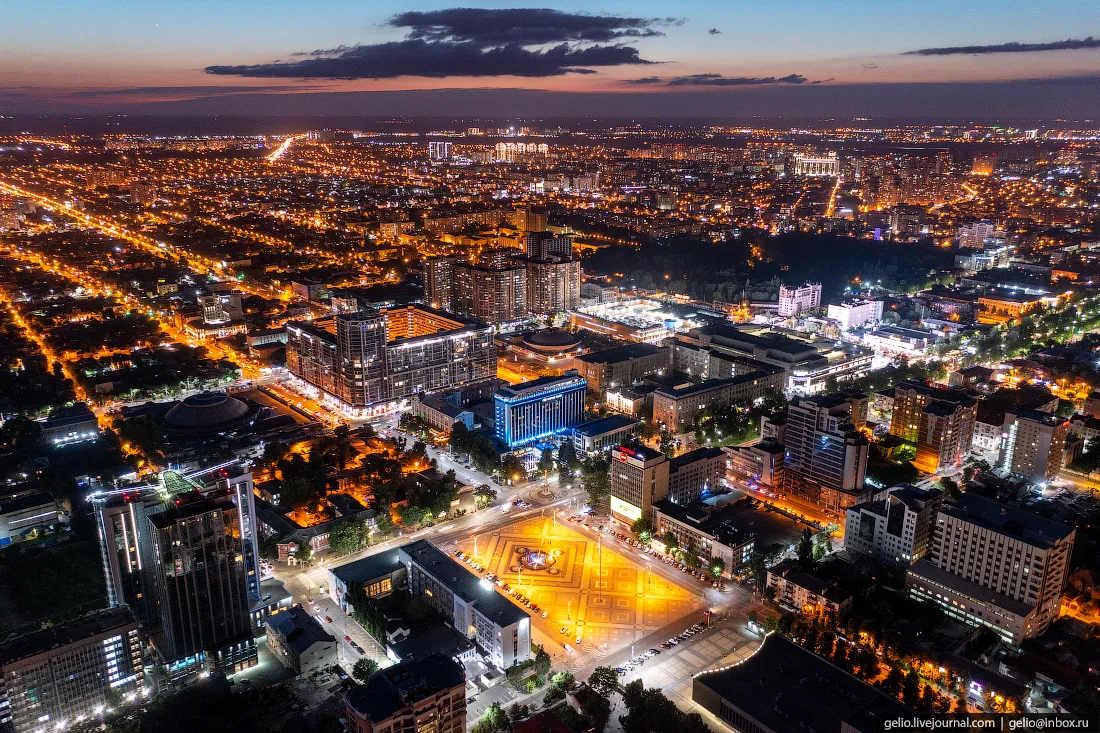
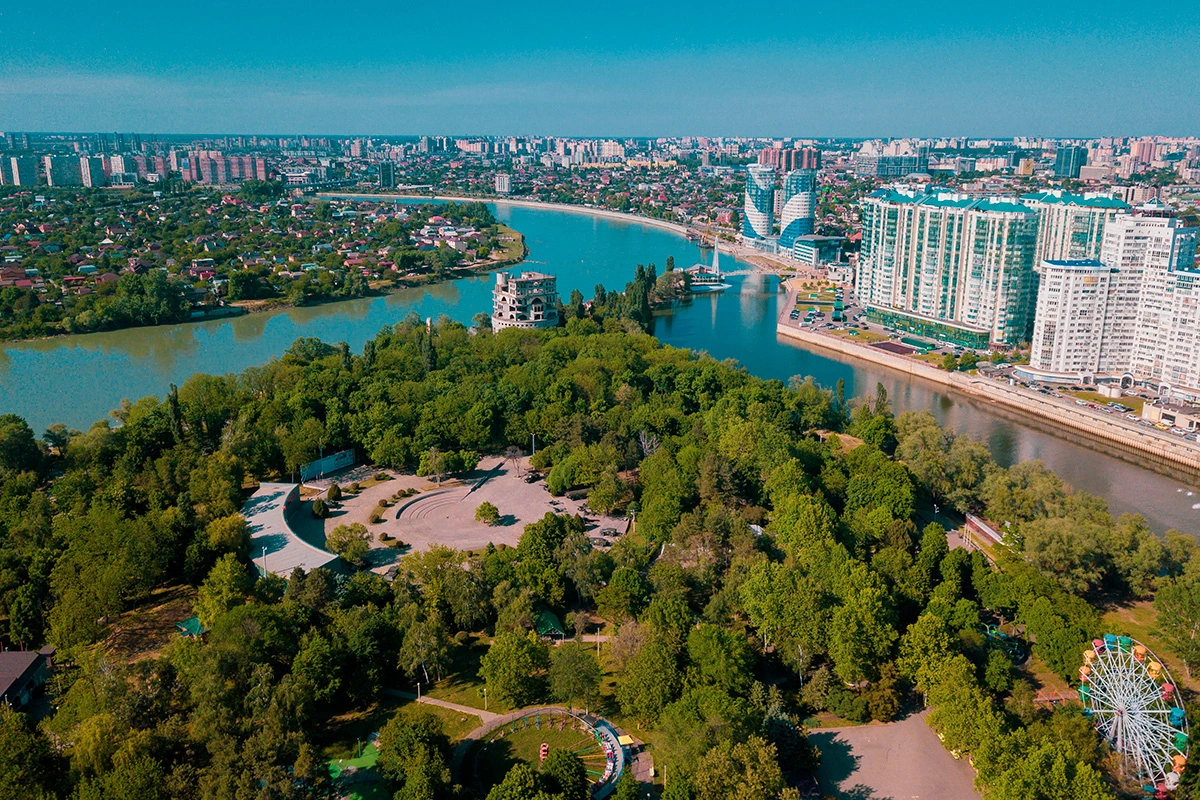
Krasnodar has become one of Russia’s most dynamic real estate markets. The city’s growing economy, favorable climate and improving infrastructure attract homebuyers, renters and investors alike. This article summarizes the market situation, highlights attractive microdistricts, and provides practical advice for buying, selling or investing in Krasnodar property.
Market snapshot and trends
— Demand drivers: internal migration from smaller towns, expanding local business (agriculture, logistics, light industry and services), and increasing interest in year-round living near the Black Sea.
— New construction: active residential development of mid- and high-rise projects plus suburban private-house communities. Developers are focusing on turnkey apartments with integrated amenities.
— Price dynamics: prices have shown steady growth over recent years driven by demand and limited central-city supply. Expect continuing moderate appreciation in well-located properties.
— Rental market: steady demand for both long-term rentals (families, workers) and seasonal short-term rentals (nearby resort areas). Rental yields are generally attractive in popular districts.
Why consider Krasnodar?
— Strategic location: transport links (airport Pashkovsky, M4 highway) and connections to the Black Sea ports make Krasnodar a regional hub.
— Quality of life: mild climate, green spaces and expanding urban amenities.
— Diverse opportunities: options range from city-center apartments to suburban houses and new-build investments.
— Relatively lower price entry compared to Moscow/Saint Petersburg while offering strong regional economic prospects.
Key neighborhoods and what they offer
— City center (Tsentralny): close to business services, schools and cultural venues. Good for resale and professional renters.
— Microdistricts Vostochny and Yubileyny: active residential development, family-oriented infrastructure and public transport.
— Southern and western neighborhoods (near the airport and new highways): suitable for logistics-related tenants and buyers seeking quieter, newer districts.
— Suburban areas and private-house communities: attractive for buyers seeking space, gardens and private parking—growing demand among families.
Buying checklist — what to inspect and verify
— Legal title and encumbrances: obtain an extract from the *EGRN* (Unified State Register of Real Estate) to verify ownership and note any mortgages, servitudes or legal claims.
— Cadastral data: check cadastral number and boundaries; verify the cadastral value for tax and transaction purposes.
— Technical condition: review the technical passport and commission reports; inspect for structural defects, dampness and quality of finishes.
— Developer reputation (for new builds): confirm completion timelines, developer track record, escrow account usage and warranty conditions.
— Utilities and infrastructure: ensure reliable water, gas and heating; confirm connection status and neighborhood plans for future roads/schools.
— Zoning and land restrictions: especially important for private houses and plots—check permitted use and any municipal plans.
Tips for buyers and investors
— Define your objective: long-term residence, rental income, or buy-to-sell. The strategy determines location and property type.
— Prioritize location over finishes: centrality, transport access and schools drive resale and rental demand more than interior finishes alone.
— Timing and inspection: visit multiple times (day/night) to assess noise, traffic and the neighborhood vibe.
— Negotiate with data: use comparable recent sales and rental rates to support your price offer.
— Consider turnkey vs. renovation: new-build turnkey apartments save time but may cost a premium; older buildings can offer value after renovation.
Financing and taxes (practical notes)
— Mortgages: local and national banks offer mortgage products; typical down payments vary by program. Compare interest rates, terms and early repayment conditions.
— State support: periodically available mortgage subsidies or family programs may reduce effective rates—check current government offerings.
— Taxes: property tax and land tax depend on cadastral values and property type. Budget for annual taxes and one-off transaction fees (notary, registration).
Renting and property management
— Demand profile: family rentals dominate in residential districts; short-term seasonal rentals perform near resort routes and during holidays.
— Rental yields: vary by location and property type. Higher yields often come from well-located compact apartments and suburban houses rented to families.
— Management options: professional property managers handle tenant selection, contracts, maintenance and full-service management—useful if you’re remote or own multiple units.
Legal considerations for non-residents
— Ownership: foreign citizens can buy apartments and non-agricultural houses in Russia. Land purchases for agricultural use may be restricted; corporate structures and legal counsel are often used for more complex purchases.
— Due diligence: always use a qualified local lawyer or notary to verify documents, draft contracts and register the transaction.
Practical step-by-step plan for buyers
1. Define goals: living, renting, or capital gain.
2. Research neighborhoods and set a budget (including taxes and renovation).
3. Get pre-approval for a mortgage if needed.
4. Shortlist properties and conduct physical inspections.
5. Order legal due diligence (EGRN check, cadastral, encumbrances).
6. Negotiate price and agree payment/escrow terms.
7. Complete the sale with notarized documents and register ownership.
Final thoughts
Krasnodar offers a compelling mix of growth potential, quality of life and relative affordability compared with Russia’s largest cities. Success comes from choosing the right neighborhood for your goals, doing careful legal and technical due diligence, and matching financing to your strategy. If you’re considering a purchase or investment, start with a clear objective and solid local professional advice to navigate the market confidently.
If you want, I can prepare a short neighborhood comparison, a rental-yield estimate for a specific property, or a checklist template for property inspections. Which would help you next?