Krasnodar Real Estate Guide — Market Overview, Neighborhoods, and Practical Tips
Krasnodar is one of Russia’s fastest-developing regional capitals: a commercial hub for southern Russia, with a growing population, improving infrastructure and active new construction. Whether you’re buying a primary residence, a holiday flat, or an investment property, understanding local dynamics will help you make smarter decisions.
Quick market snapshot
— Growing demand from local professionals, families and investors.
— Active new-build segment alongside a large stock of Soviet-era and post-Soviet apartments.
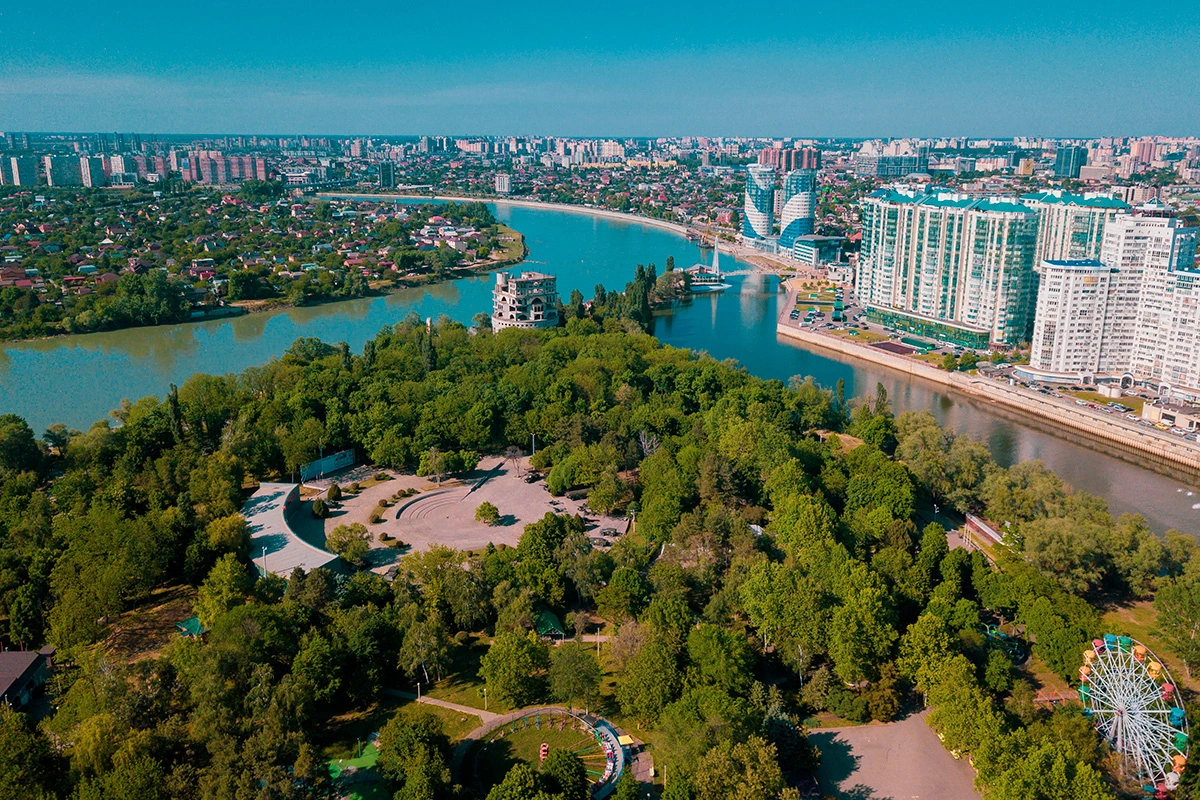
— Attractive lifestyle factors: temperate climate, river embankments, parks and improving transport connections.
— Buyers should weigh modern developer offers against resale options for location, price and total cost of ownership.
Why consider Krasnodar?
— Strategic regional economy: agriculture, logistics and manufacturing play major roles, supporting local employment.
— Population growth and internal migration support steady housing demand.
— Lower entry prices than Moscow/St. Petersburg but with strong potential for rental demand and capital appreciation.
— Good quality of life: green spaces, cultural amenities and proximity to the Black Sea region for weekend escapes.
Key location types to know
— Central / Historical core: best for walkability, cafes, offices and cultural life. Higher prices per square metre and good resale liquidity.
— New residential districts: contemporary apartments, gated complexes, playgrounds and parking — attractive for families and buyers seeking modern amenities.
— Suburban developments / outskirts: larger apartments and houses, often more affordable; trade-offs include longer commutes and variable infrastructure quality.
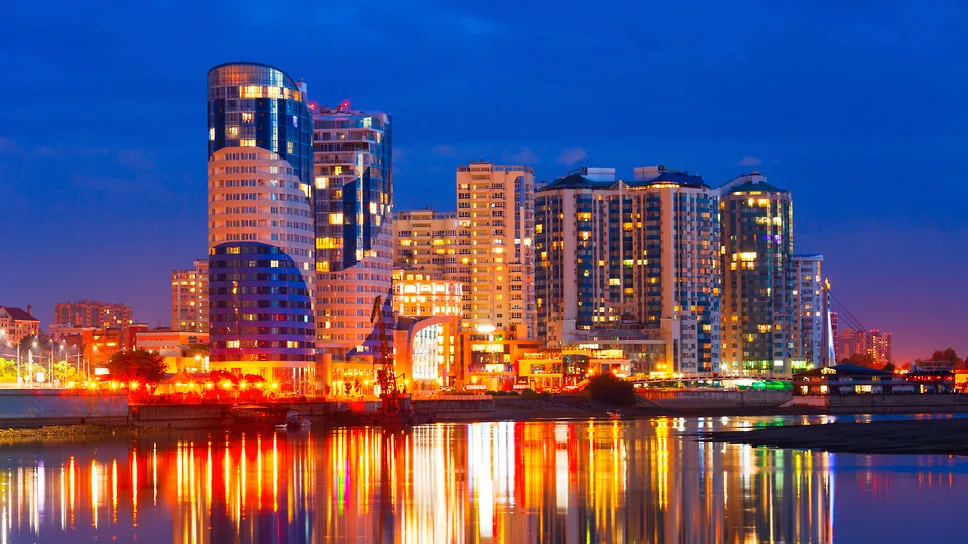
— Riverside and embankment properties: premium positioning and views; consider flood and noise factors for specific sites.
What to look for when choosing a property
— Transport links: proximity to tram/bus routes, major roads and future infrastructure projects.
— Social infrastructure: schools, kindergartens, healthcare and supermarkets within walking distance.
— Developer reputation (for new builds): track record, warranty, delivery timelines and quality of finishes.
— Building condition (for resale): structural integrity, utilities, recent renovations and maintenance costs.
— Legal status: clear title, no encumbrances, legal permits for construction/renovation.
Buying process — practical checklist
1. Define goals: primary residence, rental income, renovation-and-sell.
2. View multiple properties and compare price per m² adjusted for location and condition.
3. Hire a local real estate agent you trust — or use a reputable developer office for new builds.
4. Conduct due diligence:
— Verify ownership and encumbrances via Rosreestr.
— Confirm building permits and developer documentation (if new).
— Check utilities and technical passport for older buildings.
5. Agree price and sign preliminary contract (pre-sale agreement) with clear payment and delivery terms.
6. Finalize purchase through a notary, register transaction with Rosreestr.
7. Consider insurance, property tax registration and utilities handover.
Legal & financing notes
— Foreign buyers: residential property purchases are generally permitted, but restrictions may apply for certain land categories (e.g., agricultural land). Consult a lawyer if you are a non-resident.
— Mortgages: local and national banks offer mortgage programs; terms, interest rates and down payment requirements vary. Compare offers and pre-approve before house-hunting.
— Taxes and fees: account for state registration fees, notary costs, possible agent commissions, and ongoing property tax. For investors, consider how VAT and income tax might apply to rental income or resale gains.
Rental market and investment potential
— Demand is steady for long-term rentals from professionals and families, and seasonal demand near transport hubs or leisure areas.
— Short-term/rental platforms can boost yields in attractive areas, but require active management and compliance with local regulations.
— Important metrics: vacancy rates, net rental yield after taxes/fees, and expected appreciation based on planned infrastructure projects.
Renovation and value-add tips
— Modernize kitchens and bathrooms first — biggest impact on rental appeal and price.
— Improve insulation and heating efficiency in older buildings to reduce operating costs and increase comfort.
— Small cosmetic upgrades (flooring, lighting, fresh paint) often give fast returns.
Common pitfalls to avoid
— Skipping title checks or failing to confirm the developer’s legal standing.
— Underestimating repair and utility costs in older apartments.
— Choosing properties solely on low price without considering location, transport and future desirability.
— Over-leveraging with an aggressive mortgage relative to your income or rental forecasts.
Practical next steps
— Research recent sales in neighborhoods you like to benchmark realistic prices.
— Arrange site visits at different times of day to assess noise and traffic.
— Speak with at least one local lawyer and mortgage specialist before signing major documents.
— If investing, run conservative cash-flow scenarios (account for vacancies and maintenance).
If you’d like, I can:
— Outline a shortlist of Krasnodar neighbourhoods tailored to your budget and goals,
— Draft a checklist for viewing apartments,
— Or provide sample questions to ask developers and sellers during visits.
Which would you prefer?