Real Estate in Krasnodar: Market Overview, Buying Guide and Investment Tips
Krasnodar is one of Russia’s dynamic regional centers: a growing economy, relatively mild climate, and improving infrastructure make it an attractive city for buyers and investors. This article gives a practical overview of the market, how to buy or rent property, legal and financial points to watch, and actionable tips for success.
Why Krasnodar?
— Strategic regional hub in the Kuban region with strong agricultural, industrial and logistics sectors.
— Good transport links: international airport, rail and road connections to Black Sea resorts and the Caucasus.
— Year-round demand for housing from local professionals, students and seasonal workers.
— Ongoing urban development and new residential projects expanding supply.
Market overview and current dynamics
— Balanced market: a mix of secondary (resale) stock and active developer construction.
— New-builds tend to appeal to families seeking modern layouts and infrastructure; secondary market offers more variety and immediate move-in options.
— Demand hotspots are influenced by transport hubs, schools, medical facilities and commercial centers.
— Rental demand is steady—short- and long-term rentals are both viable depending on location and property type.
Where to look: neighborhoods and location factors
Prioritize neighborhoods by what matters to you—commute time, schools, green spaces, or investment yield. Key location considerations:
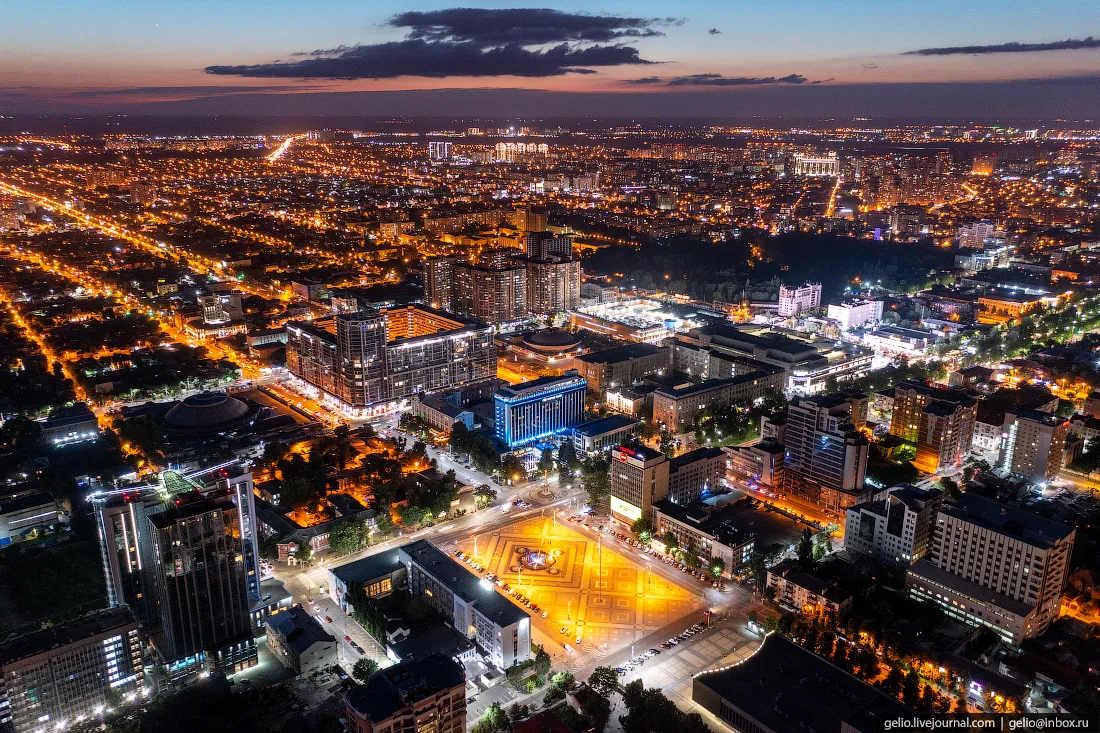
— *City centre / downtown*: conveniences, amenities, cultural life; premiums on price.
— *Near transport nodes (rail, airport, major roads)*: good for commuters and logistics workers.
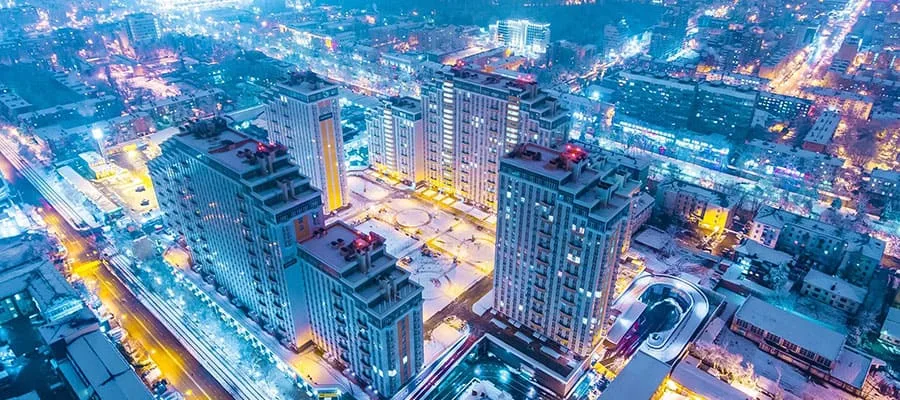
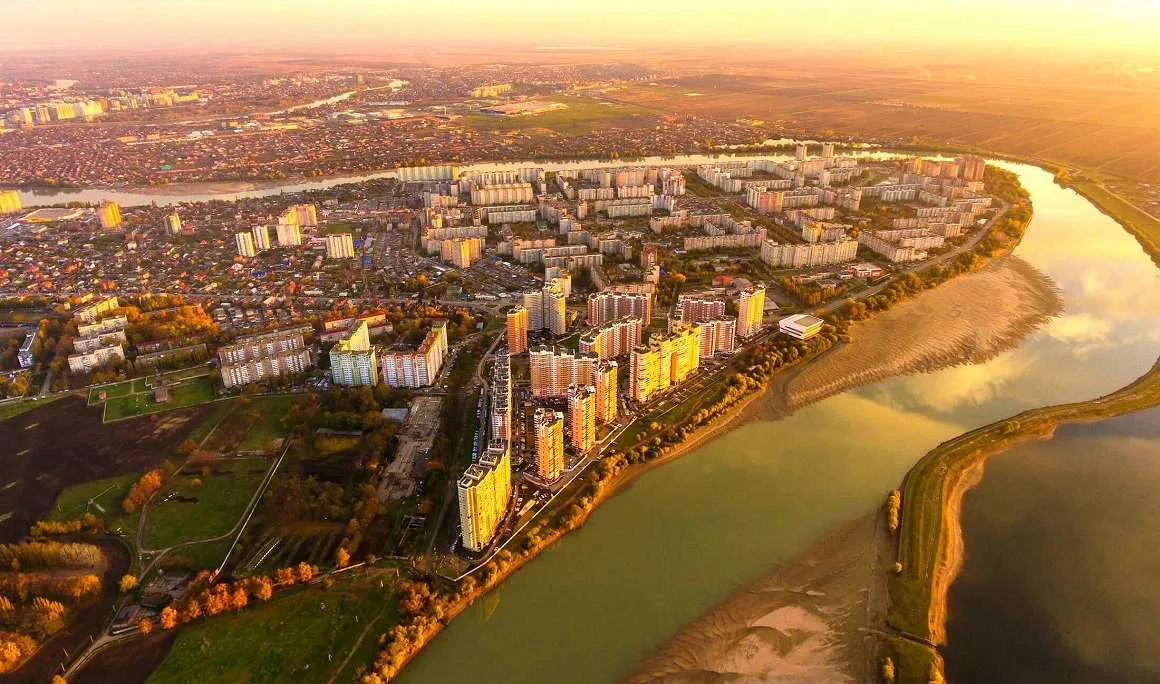
— *New residential districts*: modern planning, playgrounds and parking but sometimes fewer mature amenities.
— *Suburbs and private housing*: villas and cottages popular for families; check utilities and road access.
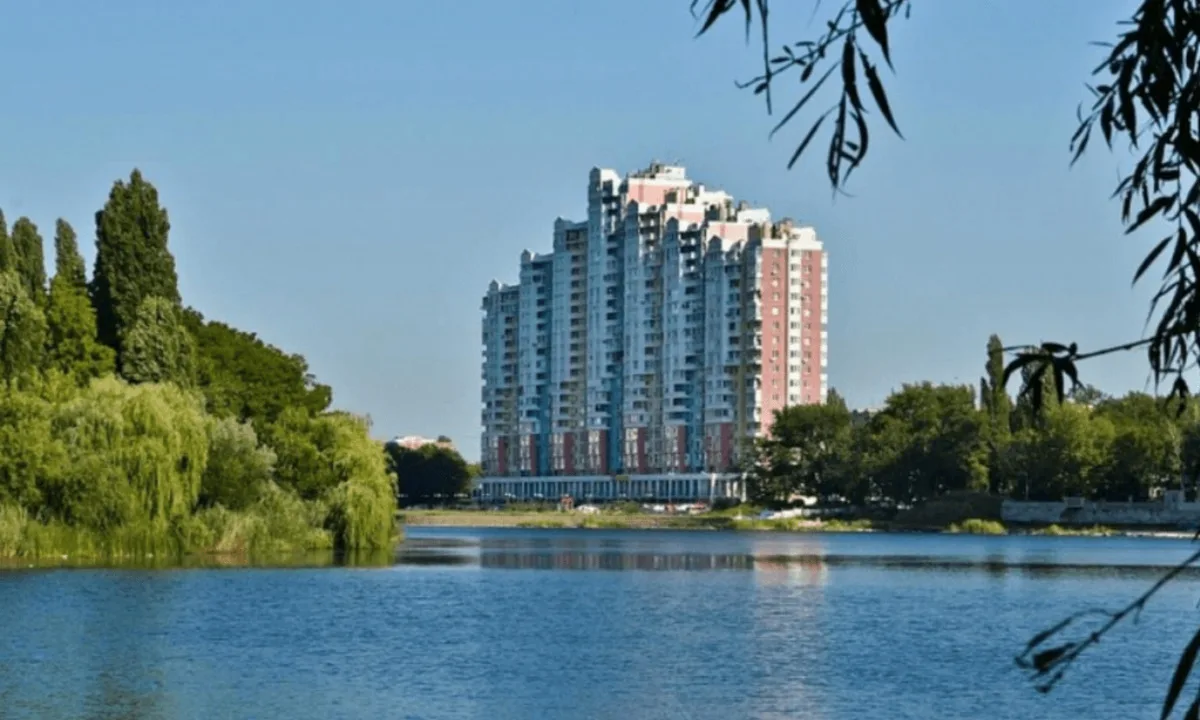
— *Riverside and green areas*: attractive for lifestyle buyers—verify flood risk and land use restrictions.
Buying process (step-by-step)
1. Define objectives: primary residence, rental income, short-term resale.
2. Search and shortlist properties via portals, agents and developer sites.
3. Viewings and technical checks (condition, utilities, structural issues).
4. Preliminary agreement and deposit (if applicable).
5. Due diligence: verify ownership, encumbrances, cadastral number, correct registration in Rosreestr.
6. Draft and sign the sales contract (notarization sometimes required—check the case).
7. Transfer funds securely; keep records.
8. Register the transaction at Rosreestr (state registration transfers ownership).
9. Final settlement: handover, meter readings, keys, warranties for new builds.
*Tip:* Use a qualified local lawyer or notary to review contracts and perform registry checks.
Legal and tax considerations
— Foreign buyers: generally permitted to buy apartments and non-agricultural land, but there are restrictions on purchasing agricultural land and some strategic properties. Confirm current regulations before proceeding.
— Registration: real estate rights must be registered with Rosreestr to be enforceable.
— Encumbrances: check for mortgages, leases, or third-party rights.
— Taxes and fees: seller-side capital gains tax may apply; buyers usually pay state duty for registration and may pay agency and notary fees. New-build purchases may involve VAT handled by the developer. Consult a tax advisor for specifics.
Financing and mortgages
— Russian banks offer mortgages with varying terms; pre-approval speeds up negotiations.
— Requirements differ for residents and non-residents; foreigners may face stricter documentation or higher down payments.
— Consider interest rate type, insurance requirements and early repayment terms.
Rental market and yields
— Rental demand exists across segments: young professionals, families and seasonal workers.
— Location, condition and furnishings determine achievable rents and occupancy.
— Using a property manager can simplify operations but reduces net yield—compare costs versus hands-on management.