Overview: Why Krasnodar Matters for Real Estate
Krasnodar is the economic and administrative heart of the Kuban region — an important transport, agricultural and industrial center with a growing service sector. For buyers and investors it offers a mix of affordability, steady local demand, and development activity that contrasts with the high prices in Moscow and Saint Petersburg. Whether you’re looking for a primary residence, a rental property or a portfolio diversification play, Krasnodar deserves attention.
Market characteristics
— *Affordability*: Prices are generally lower than in Russia’s megacities, making entry easier for first-time buyers and smaller investors.
— *Demand drivers*: Local employment growth, university students, and internal migration from smaller towns support steady rental demand.
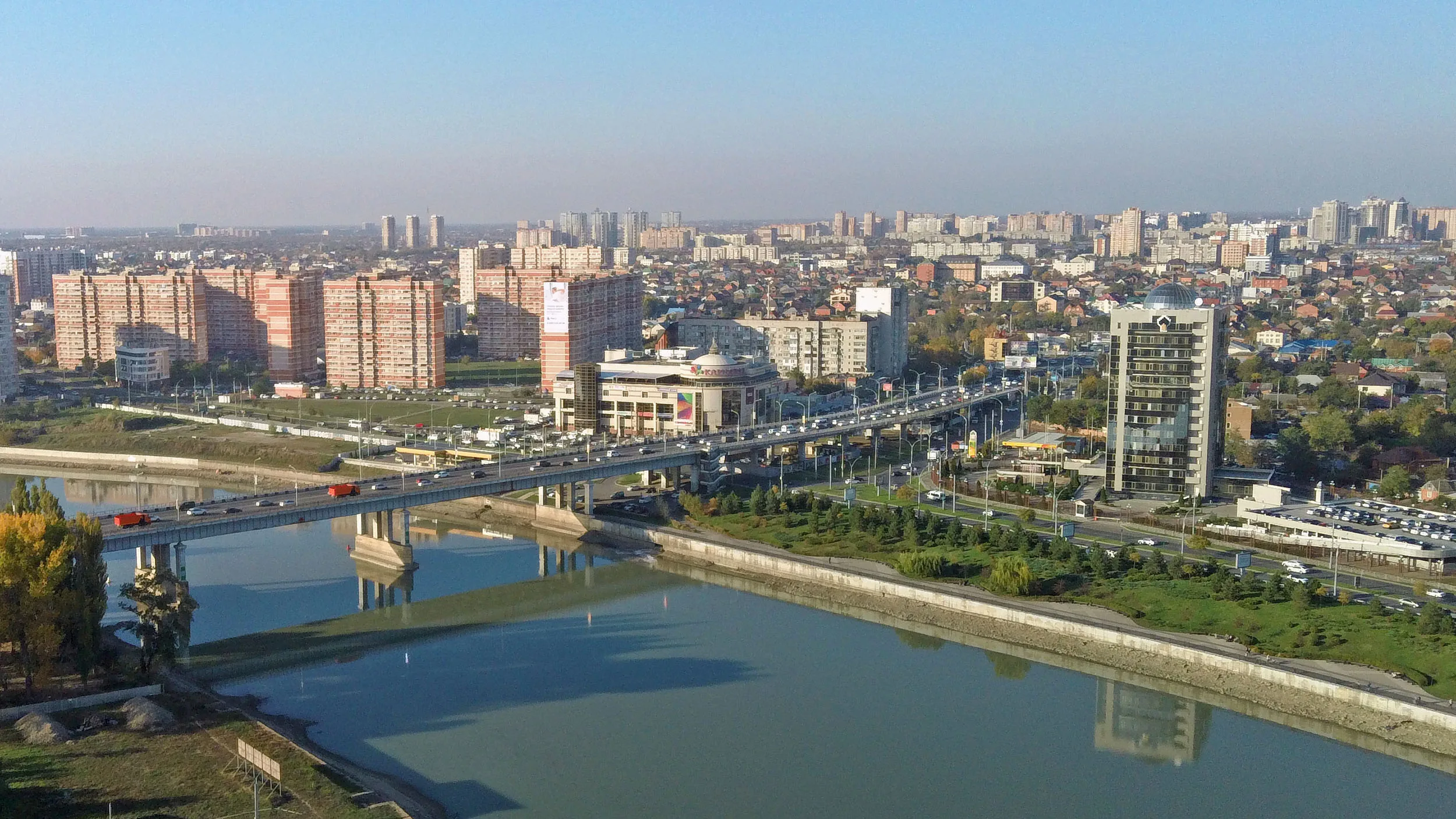
— *Product mix*: Active new-construction market with apartment complexes, mid-rise developments and gated suburban communities; older Soviet-era housing still accounts for a large share of resale supply.
— *Liquidity*: Resale market is reasonably liquid in central and well-connected neighborhoods; peripheral segments vary depending on infrastructure and developer reputation.
Where to focus (practical location factors)
When choosing a neighborhood, prioritize:
— Proximity to transport hubs and major roads (commute and resale value).
— Access to schools, medical centers and supermarkets (family market and tenants care about this).
— Quality of the building and developer reputation (important for new construction).
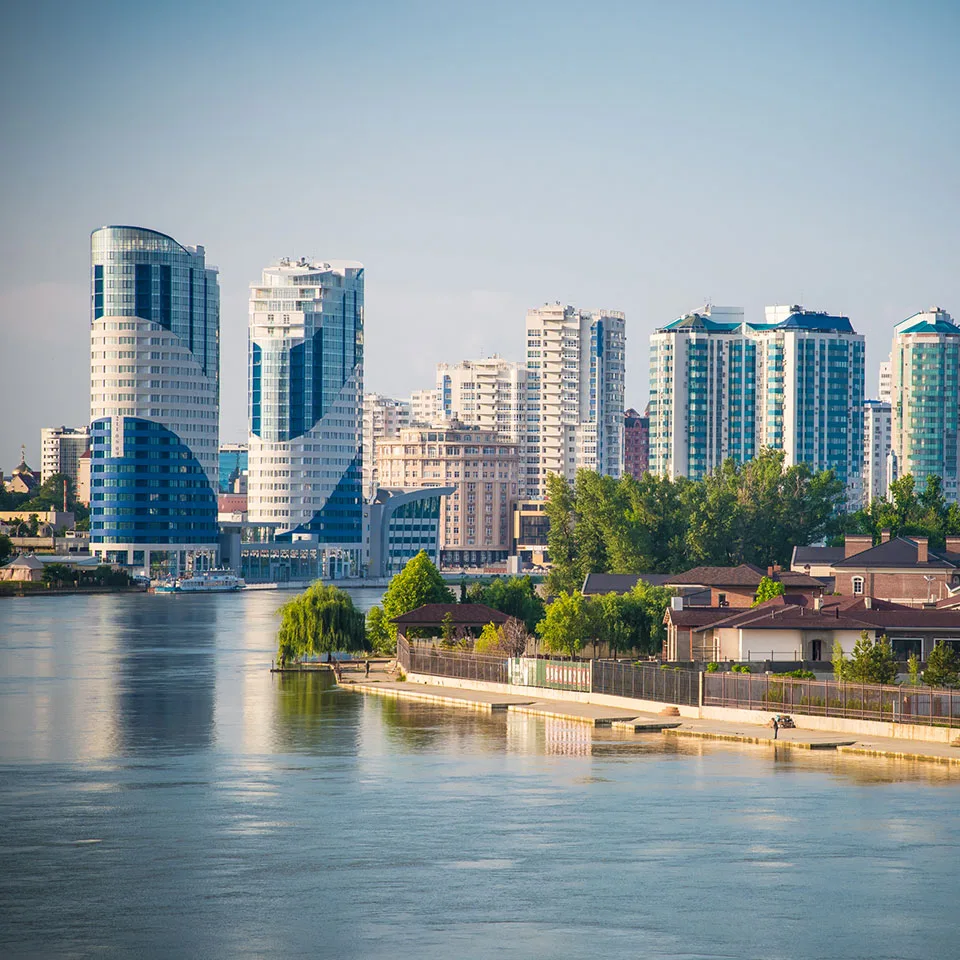
— Green spaces and riverfront or parkside locations (appeal and long-term value).
— Planned infrastructure projects (future appreciation potential).
Buying process — step-by-step
1. Define objectives: primary residence, long-term rental, short-term rental, or flip.
2. Budget and financing: check mortgage options with Russian banks; foreigners can often obtain mortgages but conditions differ.
3. Search and shortlist: use local agents, developer offices, and verified listing platforms.
4. Due diligence: verify property title and encumbrances in the state registry (Rosreestr), confirm permits for new builds, review HOA rules, and inspect the unit.
5. Purchase agreement: sign a sales contract (Договор купли-продажи) — consider notarization for extra security.
6. Registration: register ownership with Rosreestr to complete the transfer.
7. Tax and utilities setup: register for property tax and open accounts for utilities and management fees as required.
Legal and tax highlights (concise)
— Foreign buyers: Generally permitted to purchase apartments and urban property. Restrictions commonly apply to agricultural land and certain land categories. Consult a local lawyer for specifics.
— Registration: Legal title is secured through registration with the federal property registry (Rosreestr).
— Taxes: Owners pay annual property tax; rental income is subject to personal income tax. New-build transactions may involve VAT or developer-controlled pricing—get clarity in the contract.
— Use professional help: Engage a notary/lawyer to review contracts, encumbrance searches, and transfer documents.
Investment tips
— Focus on proven developers and completed projects for safer, more predictable outcomes.
— Near-term rental demand: target areas close to universities, business centers and hospitals for steady tenants.
— Renovation upside: affordable older apartments can yield strong returns after modern renovation and professional staging.
— Short-term rentals: possible in tourist seasons and business travel corridors, but check municipal regulations and block-level rules.
— Exit strategy: ensure you can resell within your planned time horizon — check comparables and recent transaction activity.
Practical checklist for viewings
— Check building condition: façade, elevators, stairwells, common areas.
— Confirm developer deadlines and finished scope for off-plan purchases.
— Inspect plumbing, heating and soundproofing.
— Ask about management fees and planned major repairs.
— Verify parking availability and local transport connections.
Risks to watch
— Developer risk on off-plan projects: delays, license problems or insolvency.
— Changes in local demand due to macroeconomic shifts.
— Legal complexity for non-Russian buyers around land categories and contracts.
— Variable quality in construction and building management—inspect and verify.
Outlook
Krasnodar’s role as a regional hub gives it structural demand for housing and a balanced real estate profile: opportunities for value buys, rental income, and development plays. Careful due diligence, realistic yield expectations and a local partner (agent, lawyer or property manager) significantly improve the odds of a successful purchase or investment.
Quick starter checklist
— Clarify investment goal and budget.
— Consult a local realtor and a Russian-licensed lawyer.
— Run a Rosreestr search and request developer documentation for new builds.
— Visit properties in person and obtain condition reports.
— Plan financing and tax implications before signing.
If you’d like, I can prepare a short list of recommended next steps tailored to your goal (buy-to-live, buy-to-let or investment) and budget — tell me your objective and price range.