Real Estate in Krasnodar, Russia: Market Overview, Neighborhoods, Buying Tips and Investment Outlook
Krasnodar — the administrative and economic center of Krasnodar Krai — has become one of Russia’s most dynamic regional property markets. A growing local economy, relatively affordable prices compared with Moscow and St. Petersburg, improving transport links and steady internal migration all combine to keep demand for housing and commercial space high. This article gives a concise look at the market, key neighbourhoods, buying considerations, finance and practical tips for investors and homebuyers.
Market snapshot (what to know)
— Growing regional center: Krasnodar is a hub for agriculture, logistics, light industry and services, which supports steady local housing demand.
— New construction: Active residential development, from mass-market apartment complexes to premium city-center projects.
— Affordability and demand: Prices and yields are generally more attractive than Russia’s largest cities, drawing first-time buyers, local investors and people relocating from smaller towns.
— Rental market: Consistent demand from workers, students and young families supports long-term rentals. Short-term and corporate rentals are also possible in central areas.
Key areas and property types
Rather than list every microdistrict, consider these broad categories when searching:
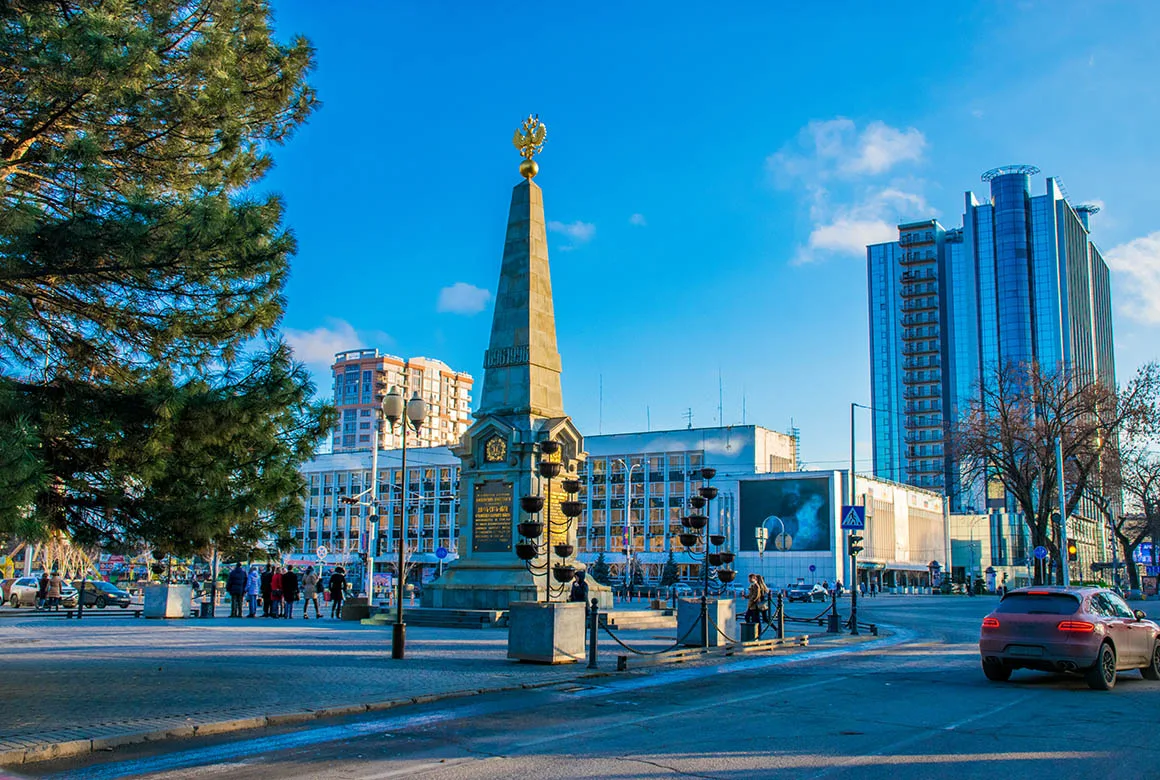
— City centre (Tsentralny and adjacent areas)
— Pros: Best access to business, culture, restaurants and public transport; stronger resale value.
— Cons: Higher prices per square metre; older stock mixed with new developments.
— New residential districts and suburbs
— Pros: Modern apartment blocks, better parking and green zones, lower price per sqm; popular with families.
— Cons: Longer commute to the centre (depending on location); infrastructure still developing in some projects.
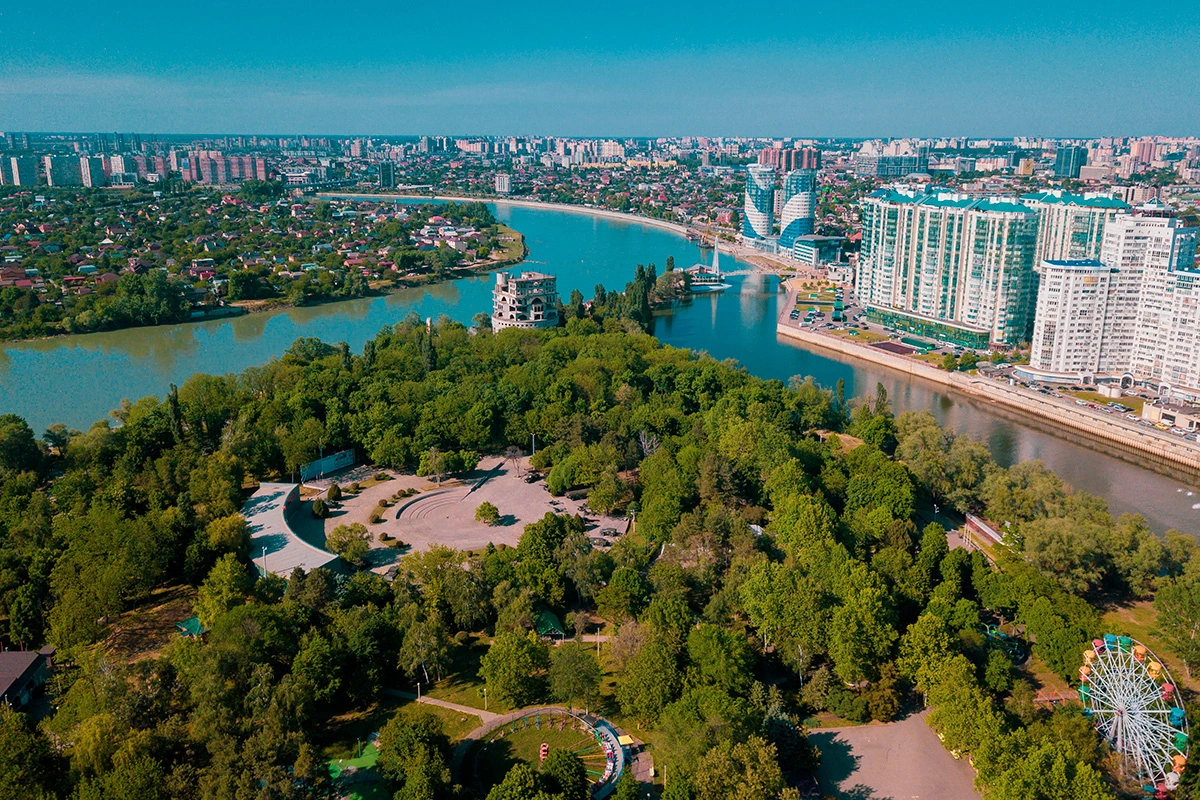
— Riverside and desirable outlooks
— Pros: Scenic views, higher demand for premium rentals and second homes.
— Cons: Premium pricing; fewer units available.
— Commercial and retail locations
— Pros: Strong footfall along main avenues and near transport hubs; opportunity for small retail, offices or service businesses.
— Cons: Higher entry costs and operational expenses.
Buying process — practical steps
— Define goals: primary residence, rental income, renovation/resale, or long-term hold.
— Engage local professionals: licensed estate agent, independent lawyer or notary, certified appraiser if needed.
— Due diligence: check property title, developer reputation (for new builds), encumbrances and technical documentation.
— Preliminary agreement: arrange the terms (price, deposit, deadlines, penalties) in writing.
— Registration: legal transfer must be registered with Rosreestr (the Federal Service for State Registration, Cadastre and Cartography).
— Finalize payment through secure channels; use escrow-like arrangements or notarial transactions where available.
— Transfer of possession and handover certificate (for new builds) — inspect and record defects.
Rules for foreigners
— Foreign nationals generally can buy apartments and buildings in Russian cities.
— There are restrictions on owning certain land categories (notably agricultural land and plots in border zones), so confirm land ownership specifics.
— Non-residents should work with a local lawyer and confirm any visa/residence-permit requirements that may affect financing and taxation.
Finance and mortgages
— Russian banks offer mortgages to residents; some banks have products for foreign citizens (terms and eligibility vary).
— Mortgage rates and loan-to-value ratios vary by bank and borrower profile.
— Consider total costs: down payment, interest, insurance, notary fees, registration costs and property tax.
Rental market and yields
— Long-term rental demand is steady from workers, families and students.
— Central and well-connected neighbourhoods typically achieve higher occupancy and rents.
— Short-term / furnished rentals can boost yields in the right locations but require active management and compliance with local regulations.
Risks and due diligence checklist
— Verify legal title and encumbrances at Rosreestr.
— Confirm developer permits and completion timelines for new builds.
— Check building quality, maintenance history and HOA (ТСЖ or управляющая компания) fees.
— Evaluate neighbourhood infrastructure: schools, hospitals, transport, commercial services.
— Understand tax implications on rental income and capital gains — consult a tax advisor.
Trends and outlook
— Medium-term outlook remains positive for well-located residential and smaller commercial assets due to ongoing regional economic activity.
— Investors often target newer projects with good infrastructure links and family-oriented amenities.
— Keep an eye on local planning and transport projects, as they can materially affect future prices and rental demand.
Practical tips for buyers and investors
— Prioritize location and access over cosmetic features — good location preserves value.
— For new builds, check developer track record and completion guarantees.
— Factor in liquidity: central and popular segments sell faster than peripheral units.
— Use professional property management for rental investments to maximize occupancy and minimize hassle.
— Always get a local lawyer to review contracts and taxation implications.
Where to get help
— Local licensed real estate agencies
— Notaries and lawyers experienced in Russian property transactions
— Rosreestr for registration and cadastral information
— Banks and mortgage brokers for financing options
If you want, I can:
— Prepare a short neighbourhood comparison tailored to your budget and goals,
— Suggest questions to ask local agents and developers,
— Draft a checklist for property viewings. Which would you prefer next?