Overview
Krasnodar is the administrative and economic center of Krasnodar Krai and one of the fastest-growing cities in southern Russia. The local real estate market is shaped by steady population growth, expanding infrastructure, and a mix of Soviet-era stock and modern residential developments. Whether you’re buying a primary residence, investing in rental housing, or looking at suburban cottages, Krasnodar offers diverse opportunities — but each comes with its own legal, financial and practical considerations.
Market snapshot (what to expect)
— Steady demand: jobs, education and migration from smaller towns keep demand for apartments and rental housing consistent.
— New construction: active development of mid-rise and high-rise residential complexes with modern layouts and amenities.
— Renovation opportunities: many older apartments in central districts are prime for renovation and value-add.
— Suburban interest: cottage settlements and land near recreational areas attract buyers seeking larger plots and quieter living.
*Tip:* Local market dynamics change with new infrastructure projects and broader economic conditions — verify recent sales data before making decisions.
Popular locations within Krasnodar
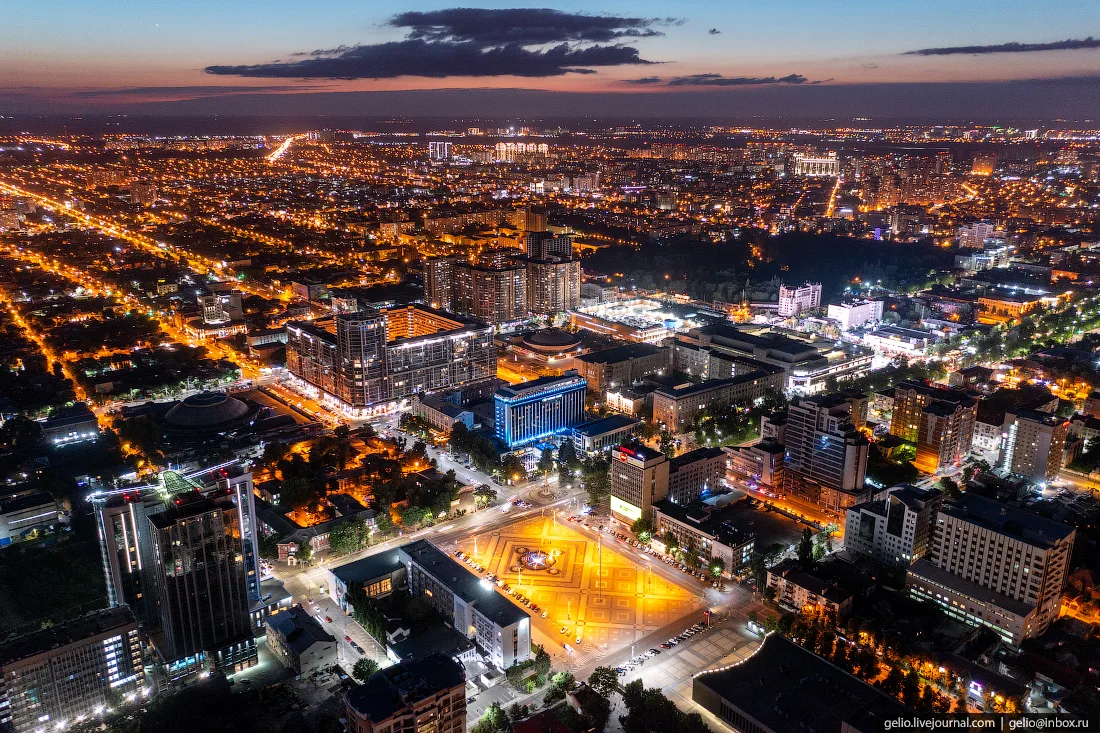
— City center and historic districts — attractive for buyers wanting proximity to services, culture and transport.
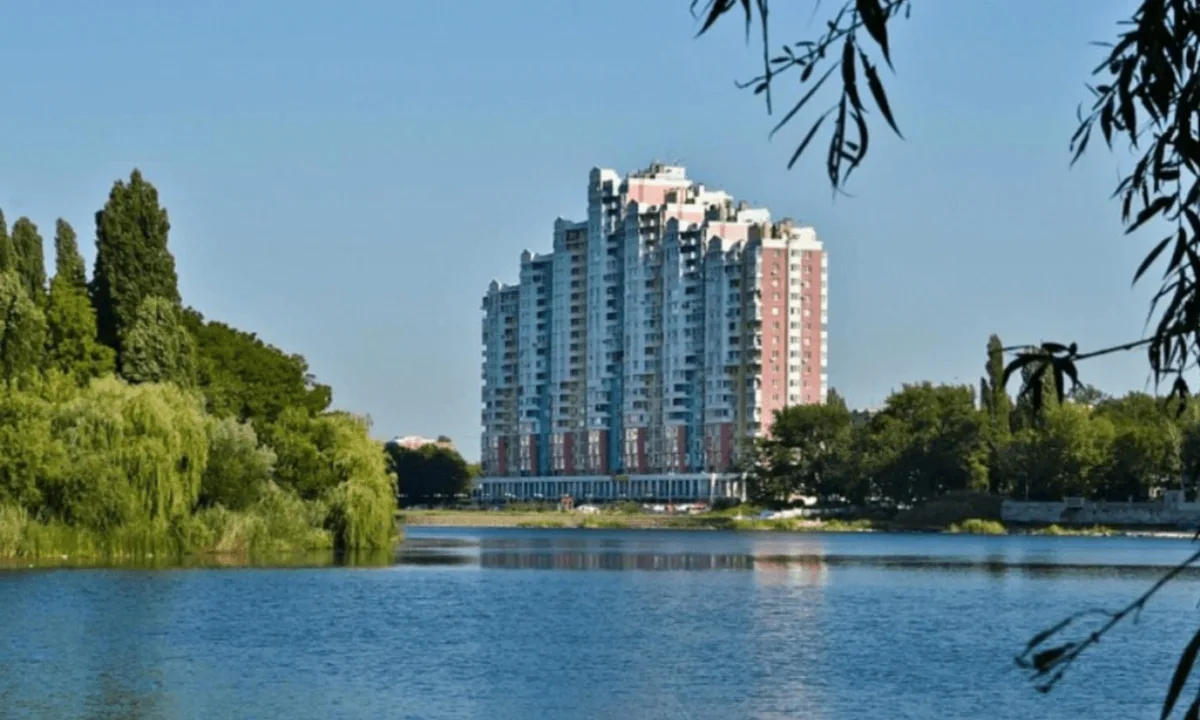
— Riverside and embankment areas — increasingly popular for higher-end apartments and improved public spaces.
— New residential complexes on the city outskirts — appeal to families looking for modern layouts, playgrounds and parking.
— Suburban cottage settlements and villages around Krasnodar — good for second homes or buyers needing more space.
Types of properties
— Apartments in panel and brick buildings (Soviet-era and post-Soviet).
— New-build flats in modern complexes with concierge services and parking.
— Townhouses and private cottages in gated communities.
— Commercial real estate — retail, offices and small industrial units, often near transport hubs.
Buying process and legal checks
— Verify ownership and encumbrances with Rosreestr (state property registry).
— Ask for original documents: title deed, cadastral passport, building permits (for new-build), and seller ID.
— Confirm whether the property has mortgages, leases, or other legal restrictions.
— Use a notarized purchase agreement and register the transfer of ownership in Rosreestr.
— For new-builds: check developer reputation, escrow/account structure, and the developer’s project approvals.
*Important:* Foreign buyers should check current legal rules and possible restrictions; consult a local lawyer experienced in Russian real estate law.
Financing and costs
— Mortgages are available from major Russian banks; terms depend on borrower profile and property type.
— Additional costs to budget for:
— Notary and registration fees
— Real estate agent commission (if used)
— State duty and administrative fees
— Closing/transfer taxes (where applicable) and future property tax
— Renovation and utilities connection (for cottages/land)
— Compare mortgage offers and consider fixed vs variable rates, prepayment penalties and required down payments.
Taxes and reporting
— Property tax is assessed regionally — rates and exemptions vary by property type and region.
— Capital gains and rental income have tax implications. Residency, holding period and legal status (individual vs company) affect taxation.
— Work with a tax advisor to optimize structure for investments and to ensure compliance with reporting.
Rental market and returns
— Demand sources: local professionals, students, temporary workers, and seasonal visitors to the Krasnodar region.
— Short-term (holiday) rentals perform well in certain neighborhoods and during peak seasons, but require active management and adherence to local regulations.
— Long-term rentals provide stable cash flow and lower turnover.
— Returns vary widely by location, property condition and management quality — run a conservative cash-flow projection before purchasing.
Due diligence checklist
— Title search and encumbrance check in Rosreestr.
— Verify building and land zoning, permitted use and cadastral value.
— Confirm utility connections, heating type and maintenance fees for multi-unit buildings.
— Inspect the condition of the building (roof, foundation, elevators, facade) and apartment (plumbing, electrics, insulation).
— For developers: verify warranties, delivery timelines and construction permits.
Renovation & resale strategies
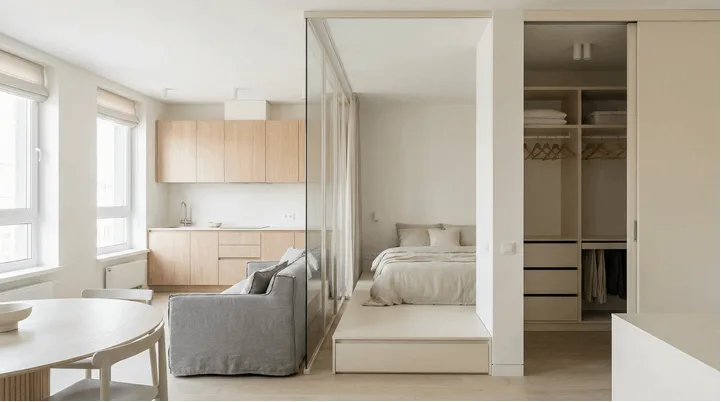
— Small modern renovations (kitchen, bathroom, flooring) can significantly increase appeal in Krasnodar’s mid-market segment.
— Focus on practical upgrades: energy efficiency, storage solutions, comfortable heating and modern finishes.
— Staging can shorten time on market and improve final sale price.
Working with agents and professionals
— Use licensed and reputable real estate agencies; check client reviews and transaction history.
— Hire a local lawyer for contracts and registration.
— Consider an independent appraiser for valuation and a certified inspector for technical checks.
— If investing at scale, engage property management to handle tenant sourcing, maintenance and legal compliance.
Practical tips
— Visit properties at different times of day to evaluate noise, traffic and sunlight.
— Ask neighbors about the building management and potential issues.
— Negotiate based on comparable sales in the same microdistrict and building.
— Keep a contingency fund for unexpected repairs, legal costs or delays.
Conclusion
Krasnodar’s real estate market offers options for primary buyers, investors and those seeking suburban properties. Success comes from thorough due diligence, realistic financial planning and relying on local expertise. Before committing, verify up-to-date market data and legal requirements specific to your transaction — and consider consulting a local lawyer and tax advisor to avoid costly mistakes.