Overview: Why Krasnodar matters for real estate
Krasnodar is the largest city and economic hub of Southern Russia. As a regional administrative, cultural and transport center on the Kuban River, it attracts workers, students and companies from across the region. Stable urban growth, improving infrastructure and a diversified local economy make Krasnodar a compelling market for:
— primary-home buyers looking for modern apartments and family neighborhoods;
— investors seeking rental income and long-term capital growth;
— developers and commercial buyers targeting retail, logistics and office space.
Current market picture (what to expect)
— Demand: steady domestic demand from professionals, municipal employees and students; growing interest from regional investors looking for higher yields than in Moscow or St. Petersburg.
— Supply: balanced mix of new developments (novostroyki), secondary-market apartments (vtorichka) and suburban low-rise housing. Developers focus on compact apartments, gated complexes and improved amenities.
— Prices & yields: prices remain below Russia’s largest cities, offering more attractive entry points. Rental yields for residential units are generally competitive but vary by location, property condition and tenant segment.
— Infrastructure: investments in roads, embankment areas and social infrastructure (schools, clinics) are supporting value in several districts.
Best locations and property types (practical guide)
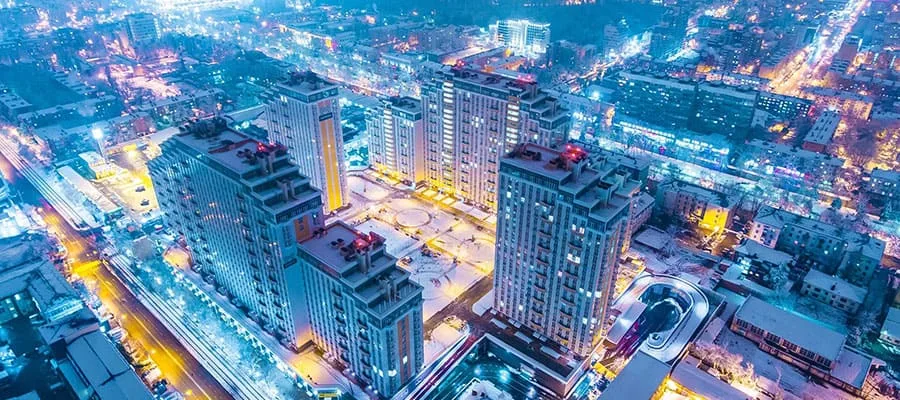
— Central and near-embankment areas: suited for buyers who want walkability, amenities and resale liquidity. Good for short-term rentals and buyers who value city life.
— New residential complexes on city outskirts: attract young families due to better price per square meter, playgrounds and parking. Consider proximity to public transport and main roads.
— Suburban cottages and land plots: appealing for buyers seeking private houses, but check utilities and legal restrictions on land use.
— Commercial and logistics spaces: useful for investors targeting retail, small offices or warehouses given Krasnodar’s role as a regional transport node.
Legal and regulatory essentials
— Title and registration: all property transfers must be registered with Rosreestr (Federal Service for State Registration). Verify the registration extract, cadastral number and encumbrances.
— Seller checks: confirm no outstanding mortgages, liens, inheritance disputes, or court claims. Ask for passport copies, proof of ownership and tax receipts.
— Foreign buyers: foreign individuals can generally purchase apartments in Russia, but there are restrictions on owning agricultural land and some properties in border zones. Consult a local lawyer.
— Contracts and notary: sale agreements can be signed with or without notarization, but complex transactions or power-of-attorney arrangements should be notarized and reviewed by counsel.
— Taxes and fees: transfer taxes, notary fees and Rosreestr registration fees apply. Sellers typically pay income tax if they do not meet exemption conditions.
Financing and incentives
— Mortgages: widely available through Russian banks; programs include fixed and variable rates, and state-subsidized mortgages for families (e.g., maternal capital usage and special low-rate programs at times).
— Developer payment plans: many developers offer staged payments, finishing packages, and early-buyer discounts.
— Prepare for down payment and closing costs: ensure you budget for agency fees, legal checks, repairs and minor renovation if needed.
Step-by-step buying checklist
1. Define objectives: live, rent out short-term, long-term investment, or commercial use.
2. Set budget and financing plan: pre-approval or available funds.
3. Shortlist neighborhoods and properties: visit in person, evaluate noise, transport and amenities.
4. Due diligence: request ownership documents, see cadastral extract, confirm utility status and check building permits for new builds.
5. Negotiate price and terms: include timelines, penalty clauses and responsibility for debts.
6. Sign the purchase agreement: review with a lawyer. Consider advance payment protections and escrow with the developer or bank.
7. Register ownership with Rosreestr and transfer funds through traceable methods.
8. Handover and move-in: inspect the property and document any defects.
Tips for investors and landlords
— Focus on location first: proximity to transport, major employers and universities drives occupancy.
— Standardize interiors: neutral finishes and durable materials reduce vacancy and maintenance costs.
— Professional management: use a local property manager to handle tenant sourcing, contracts and maintenance if you’re remote.
— Understand tenant demand: long-term leases are common; short-term tourism rentals depend on seasonality and local regulations.
— Keep legal compliance: rental registration, tax reporting and safety certificates (where required).
Selling and marketing a property
— Stage and photograph: good photos and accurate floor plans increase buyer interest.
— Price competitively: research comparable sales (comps) and adjust for condition and location.
— Leverage online portals and local agents: Krasnodar has active local portals—combine online reach with agent networks.
— Disclose issues: full disclosure of defects and encumbrances speeds up the sale and