Overview
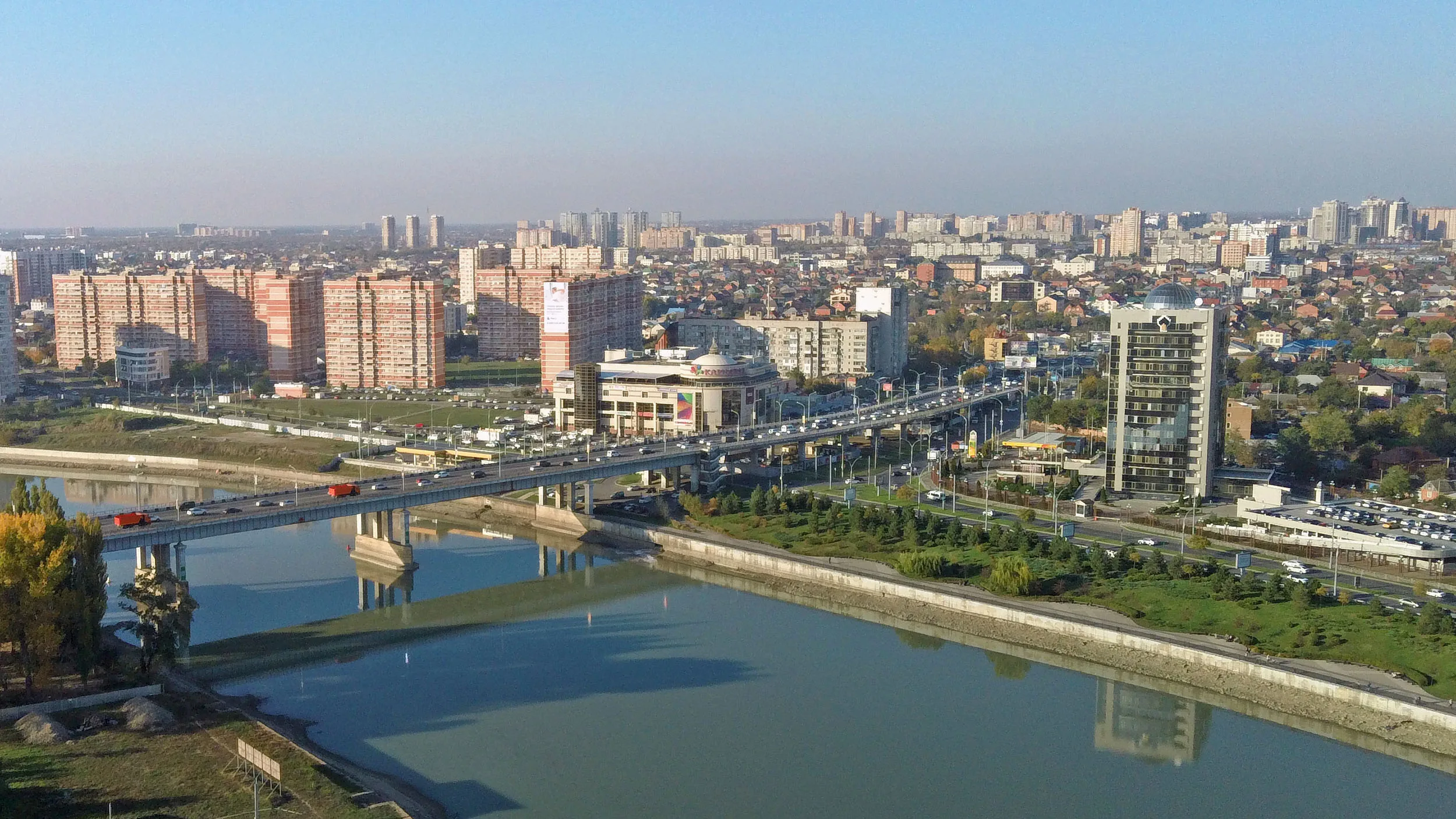
Krasnodar is the administrative and economic center of Krasnodar Krai and one of southern Russia’s fastest-growing regional cities. With a mild climate, expanding infrastructure and regional importance for trade and agriculture, Krasnodar attracts both local buyers and outside investors looking for rental income, second homes or long-term capital growth.
Why Krasnodar?
— Strategic regional hub: strong transport links, growth in services and light industry.
— Attractive climate and lifestyle: warm summers, access to Black Sea resorts within driving distance.
— Affordable relative to Moscow and St. Petersburg: potential for higher rental yields and lower entry prices.
— Growing new-build market: active developers building modern apartment complexes and amenities.
Market trends (general)
— Demand is steady for modern, well-located apartments and family homes.
— New-builds and renovated properties in central areas remain popular.
— Rental demand is supported by students, regional professionals and workers relocating to the Krasnodar region.
— Prices have shown moderate growth in recent years, but local and macroeconomic factors can affect short-term movement — always check the latest local data before transacting.
Where to look in the city (zones & characteristics)
— Central district (Tsentralny): historic core, main streets, best for resale value, cultural amenities and walkability.
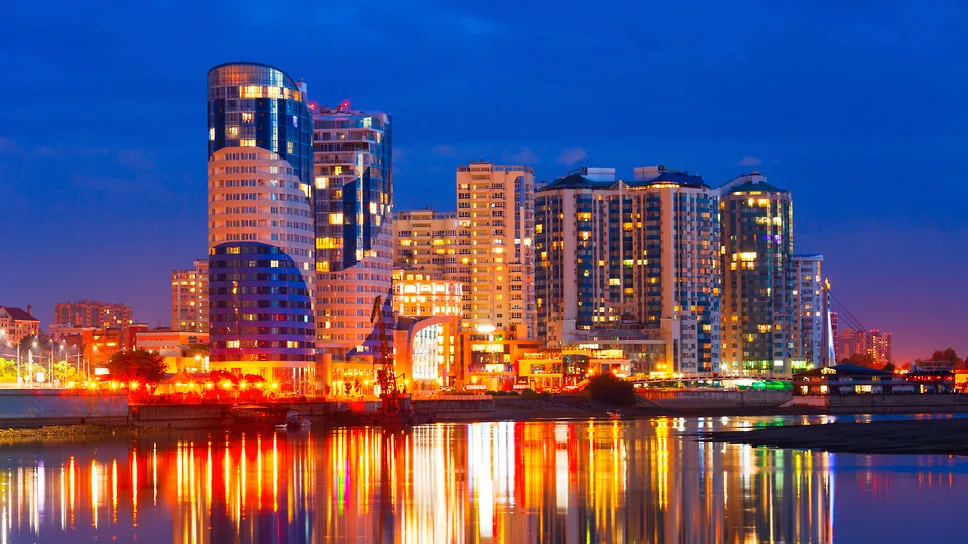
— Riverside/embankment areas: attractive views and promenades — good for lifestyle buyers and short-term rentals.
— Emerging new-build districts: often on the city outskirts with modern complexes, playgrounds and parking — good for families and first-time buyers.
— Suburbs and commuter towns: larger plots and lower prices; suitable for those seeking houses, gardens and quieter living.
New build vs secondary market
— New build advantages: modern layouts, developer warranties, infrastructure integration.
— Secondary market advantages: established locations, sometimes larger layouts, negotiable prices.
— Check developer reputation, handover dates and completion guarantees for new projects.
Buying process — key steps (Russia context)
— Property search and viewings with a reputable agent.
— Preliminary agreement and deposit (if applicable).
— Due diligence: verify ownership, encumbrances, zoning and utility access. *This is crucial.*
— Drafting and signing the purchase contract (often with a notary).
— Registration of ownership at the local Rosreestr office (state registry).
— Transfer of funds through traceable banking channels.
*Note:* Foreign buyers can purchase apartments and buildings in Russia; there are restrictions on owning some types of land (especially in border zones). Always consult a local lawyer or notary to confirm current rules.
Financing and mortgages
— Russian banks offer mortgages for residents and many also for non-residents (with stricter requirements).
— Mortgage rates and terms vary; subsidized programs sometimes exist for families or public-sector workers.
— Prepare proof of income, ID, and documents on the property; get pre-approval to strengthen your offer.
Rental market
— Strong demand for mid-range apartments near transport links, universities and business centers.
— Short-term vacation rentals perform well in attractive neighborhoods and during high season — consider regulations and management needs.
— Long-term rentals provide steadier income; screen tenants and use formal lease agreements.
Risks and pitfalls
— Incomplete due diligence on encumbrances, shared ownership, or developer insolvency.
— Buying off-plan without verified completion guarantees or escrow protections.
— Ignoring local taxes, utility arrears or condominium (TSZH/management company) issues.
— Relying solely on informal verbal guarantees — get everything in writing and notarised where appropriate.
Practical tips
— Use a trusted local lawyer or notary for title searches and contract review.
— Work with licensed real estate agents who have verifiable references.
— Inspect utilities, insulation and foundation conditions for older properties.
— Consider proximity to transport, schools and medical facilities for resale and rental appeal.
— Factor in ongoing costs: utilities, property taxes, condo fees and maintenance.
For foreign investors
— Check visa/residency implications and local tax obligations.
— Be aware of restrictions on land ownership near borders.
— Consider structuring ownership with professional legal and tax advice — local experts can explain options and compliance.
Final checklist before signing
— Verified ownership and absence of liens/claims.
— Clear payment schedule and receipts.
— Registered contract with Rosreestr (or plan for prompt registration).
— Agreed handover protocol and condition report.
— Understanding of ongoing costs and management arrangements.
Where to get up-to-date help
— Local notaries and legal firms experienced in real estate.
— Licensed local real estate agencies with in-market reviews.
— Rosreestr (state registry) for official ownership records.
— Mortgage departments of Russian banks for financing terms.
If you’d like, I can prepare:
— a short checklist tailored to purchasing in Krasnodar,
— sample questions to ask a developer or seller, or
— a summary of neighborhoods matched to your budget and needs. Which would you prefer?