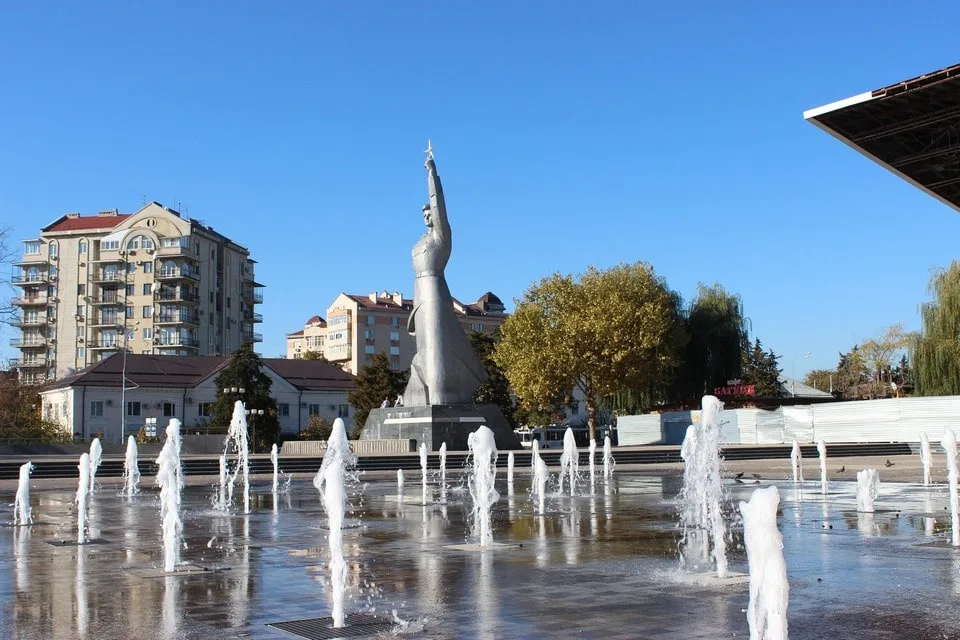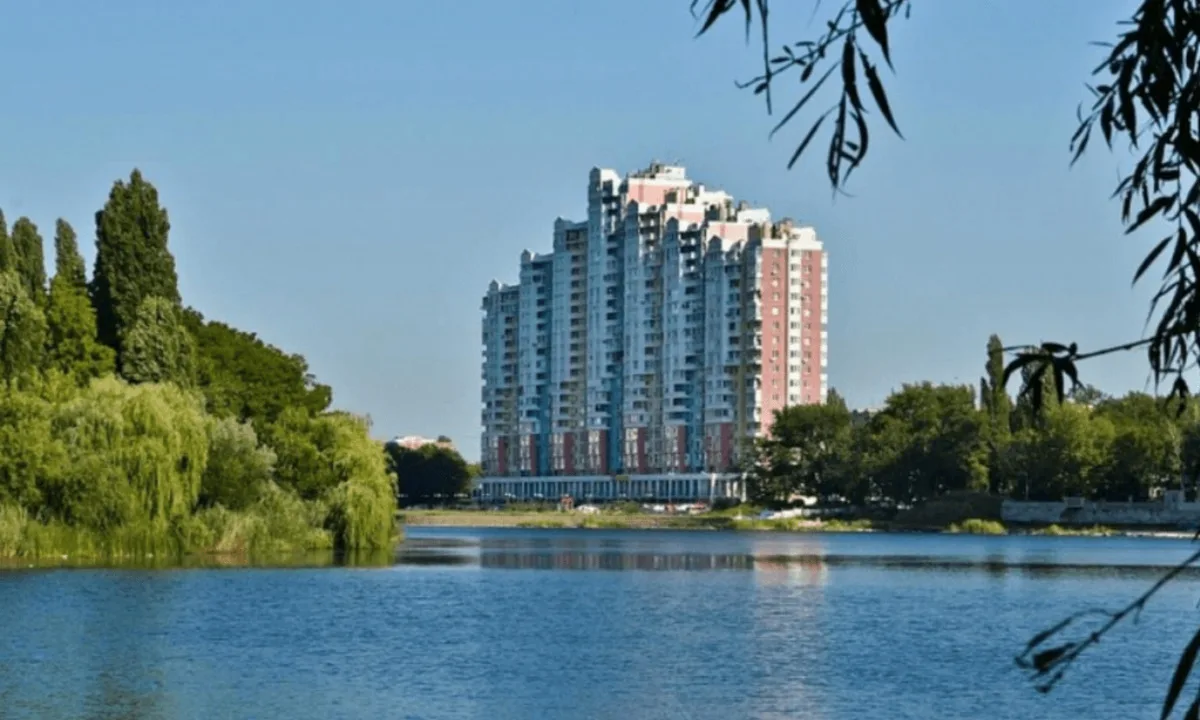
Overview: Why Krasnodar matters for real estate
Krasnodar is one of Russia’s fastest-growing regional capitals. With a mild climate, strategic location in the Kuban agricultural and industrial heartland, improving transport links (Pashkovsky Airport, rail and road corridors), and steady urban development, the city attracts families, young professionals and investors. Demand is driven by domestic migration, expanding local industry, and growing service and education sectors.
*What this means:* steady demand for both owner-occupied apartments and rental properties, plus opportunities in new developments and renovation projects.
Market trends (current picture)
— Strong interest in modern apartment complexes (novostroiki) with amenities: parking, playgrounds, landscaped courtyards.
— Continued market for renovated Soviet-era flats in central locations for buyers on moderate budgets.
— Rental demand concentrated among young professionals, students and families.
— Infrastructure projects and improving amenities support medium-term price appreciation, though returns vary by micro-location and property type.
Where to look: neighborhoods and location types
Instead of specific street names, focus on these zones:
— City center and adjacent districts
— Pros: best access to jobs, schools, entertainment; stable resale value.
— Cons: higher price per square metre; older buildings that may need renovation.
— New residential districts and edge-of-city developments
— Pros: modern layouts, parking, lower price per m²; good for families and long-term appreciation.
— Cons: further from central jobs; initial infrastructure can lag (shops, schools).
— Suburban and cottage developments
— Pros: larger land plots, lower prices, appeal for second homes/remote workers.
— Cons: transport dependency, utility and title complexities for land plots.
— Areas near transport hubs (airport, main roads, rail)
— Pros: convenient for business travel and commuting; attractive for short- to mid-term rentals.
— Cons: noise and traffic may be negatives in specific micro-locations.
Property types: new build vs secondary market
— New build (novostroika)
— Pros: warranties from developer, modern layouts, lower maintenance initially.
— Cons: developer risk, possible delivery delays, extra finishing costs.
— Secondary market
— Pros: immediate occupancy, potential for negotiation, existing rental history.
— Cons: older systems, renovation costs, need for careful legal due diligence.
Investment potential and rental market
— Long-term rentals: steady demand from families and employees. Expected net yields commonly fall in the mid-single digits annually, depending on area and management costs.
— Short-term rentals: can bring higher gross income in well-located units but require active management, marketing and higher turnover costs.
— Appreciation: central locations and modern developments near transport/amenities show better capital growth over time.
Practical buying checklist
1. Define goals
— Live in it, rent long-term, short-term rental, or flip/renovate?
2. Budget realistically
— Consider purchase price, taxes, repairs/finishing, agent fees, notary/registration, and utility/move-in costs.
3. Legal and title due diligence (hire a qualified lawyer/real estate attorney)
— Verify seller’s ownership and right to sell.
— Check for encumbrances, mortgages, liens and court disputes.
— Confirm cadastral and registry data match the physical property.
— For land plots: confirm category (foreign nationals face restrictions for certain agricultural lands).
4. Inspect property thoroughly
— Structural condition, utilities (heating, water, sewage), elevator function, common-area maintenance.
— For new builds: check developer reputation and permit completeness.
5. Negotiate terms
— Flexibility on price, inclusion of appliances, repairs, and timing of handover.
6. Formalize the deal
— Use a notarized sale-purchase agreement and register ownership in the Unified State Register of Real Estate (EGRN).
— Consider escrow arrangements for added security when buying from developers.
Financing and taxes
— Mortgages: available from major Russian banks; interest rates and loan-to-value ratios vary. Pre-approval helps during negotiations.
— Taxes and fees:
— Registration fee and notary fees are modest but must be factored in.
— Annual property tax applies and varies by cadastral value — check local rates.
— If you sell within a short period after purchase, capital gains tax rules may apply — consult a tax advisor.
Considerations for foreign buyers
— Non-residents can generally buy apartments and houses, but restrictions exist for agricultural land and certain border areas.
— Always consult an independent lawyer to confirm local restrictions and tax implications.
— Residency status, currency controls and cross-border payment rules may affect financing and repatriation of funds.
Common pitfalls and how to avoid them
— Skipping legal due diligence — always verify the EGRN extract and encumbrance history.
— Underestimating finishing and renovation costs, especially in new-builds sold as “shells.”
— Ignoring micro-location issues: proximity to noisy roads, flood-prone areas or undeveloped plots scheduled for future construction.
— Relying solely on verbal commitments from developers or sellers — insist on written, notarized documentation.
Negotiation tips
— Be ready to walk away; motivated sellers often accept lower offers.
— Offer a quick closing or cash payment if your situation allows — this can secure discounts.
— For new builds, ask for staged payments or guarantees if delivery is delayed.
Final recommendations
— If you want steady capital growth and lower hassle: target modern apartments near transport and amenities.
— If you can manage renovation risk and time: value can be found in older central flats with good layouts.
— Always engage a trusted local real estate lawyer and an experienced agent with market knowledge of Krasnodar.
— Visit multiple properties, compare total cost of ownership, and model rental returns conservatively.
If you’d like, I can:
— prepare a short neighborhood comparison based on your budget;
— outline a step-by-step purchase timeline tailored to your buying scenario;
— draft documents/questions to ask developers or sellers during inspections. Which would you prefer?