Overview: Why Krasnodar Matters for Real Estate
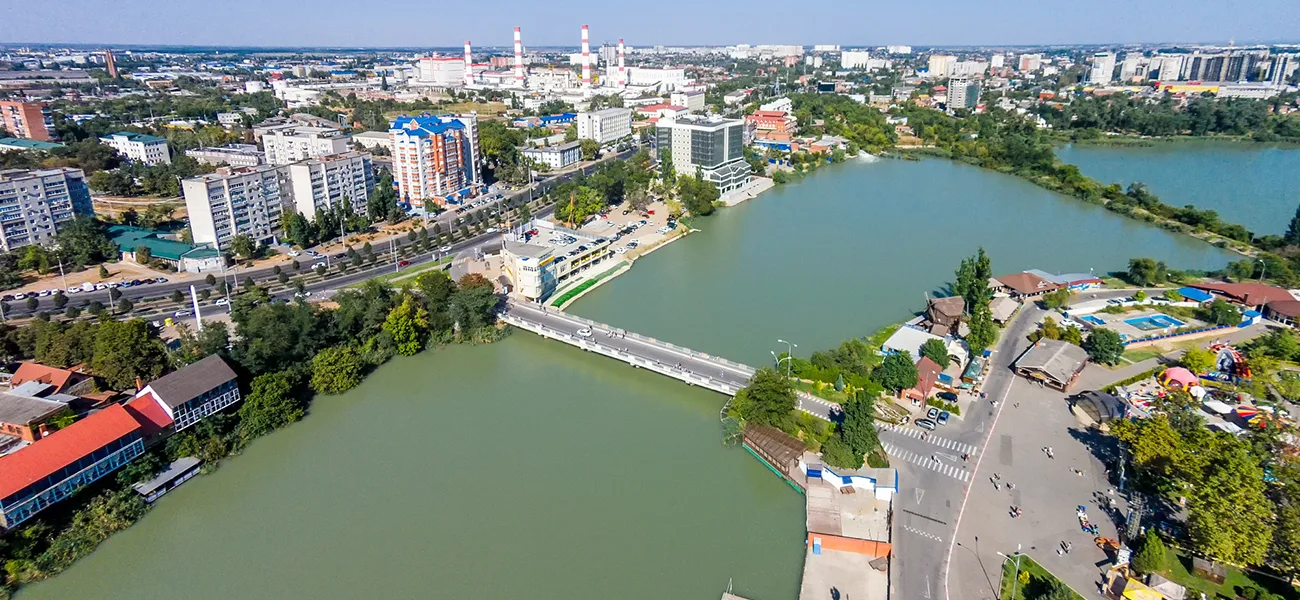
Krasnodar, the administrative and economic hub of Krasnodar Krai in southern Russia, combines a growing regional economy, a mild climate and improving infrastructure. The city attracts local movers, students, seasonal workers and investors who value lower prices than Moscow or Saint Petersburg, while still offering urban amenities and good transport links to the Black Sea resort region.
*Key advantages:*
— More affordable property values compared with Russia’s largest cities.
— Strong local demand for rental housing (students, professionals, seasonal tourists).
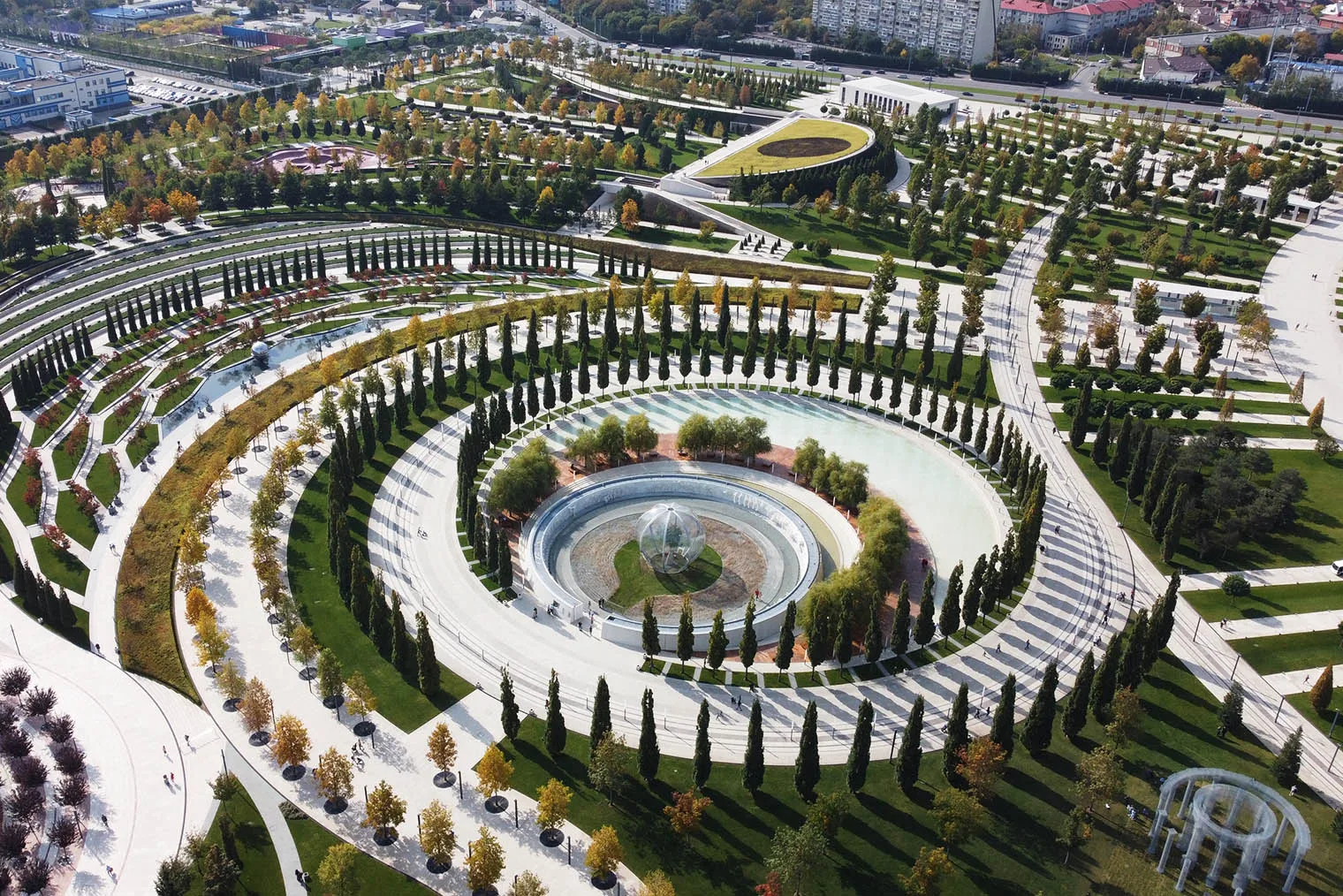
— Ongoing urban development and infrastructure projects that support long-term growth.
Market Trends to Watch
— Steady demand for modern apartments in new-build projects and renovated pre-war buildings in the central districts.
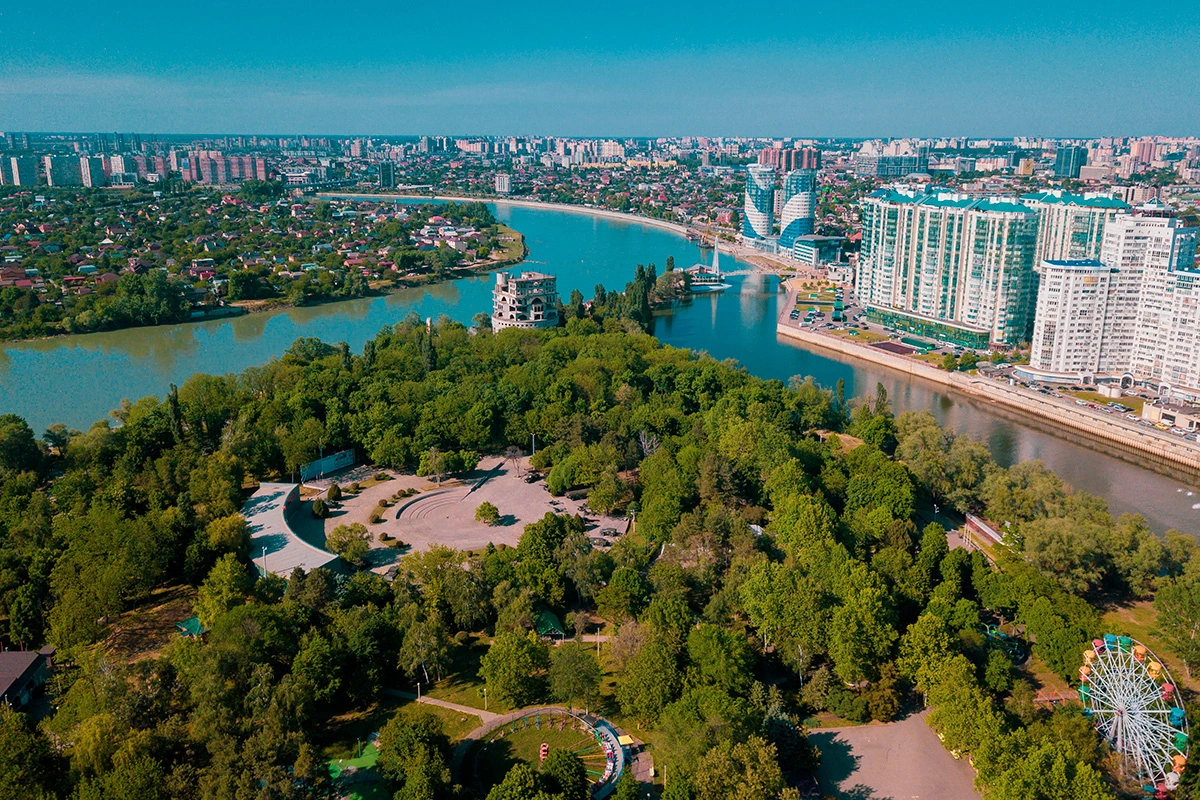
— Growth of suburban and riverbank developments as buyers seek more space and green areas.
— Increasing interest from regional investors looking for rental yields and capital appreciation.
— Mortgage availability has expanded in recent years, which supports buyer activity, though rates and conditions can vary.
Best Areas and What to Expect
— Central Districts (near Krasnaya Street and downtown): higher prices, historic buildings, best access to services, cultural life and public transport — good for resale and short-term rentals.
— Prikubansky / Right-Bank Districts: fast-growing residential neighborhoods with many new developments and family-oriented infrastructure.
— Karasunsky and suburban neighborhoods: more affordable houses and apartments, larger plots, popular with families and buyers seeking quieter life.
— University zones and transport hubs: stable rental demand from students and commuting professionals.
Choose an area based on your priorities: capital appreciation (central), rental yield and lower entry cost (outer districts), or lifestyle and space (suburbs).
Buying Process — Practical Steps
1. Define goals: primary residence, buy-to-let, renovation project or speculative purchase.
2. Budget and financing: check mortgage options with Russian banks or prepare documentation for cash purchase.
3. Search and viewings: use reputable local agencies, official developer offices or verified listing platforms.
4. Due diligence:
— Verify seller’s ownership and absence of encumbrances with Rosreestr (state property register).
— Check cadastral and technical passports, building permits (for new projects) and energy certificates if relevant.
— Inspect the property in person (structure, utilities, pest/moisture issues).
5. Preliminary agreement and deposit: often a signed preliminary contract (DGU) and deposit secure the deal.
6. Notarized sale-and-purchase agreement and registration: final deed signed and ownership registered with Rosreestr.
7. Tax and utilities: prepare for transfer taxes (if applicable), annual property tax and utility setup/transfer.
Important: use a local lawyer or trusted agent during the whole process to reduce legal and administrative risk.
For Foreign Buyers
— Foreign citizens can buy most apartments and commercial properties in Russian cities. Restrictions exist for owning certain land types (agricultural, border zones).
— Expect additional paperwork and the need to work through notarized documents and official registration. Engage a lawyer experienced with foreign buyers.
Financing and Mortgages
— Major Russian banks provide mortgages with variable and fixed-rate options. Available terms and down payment requirements depend on bank policy and buyer profile.
— Mortgage rates fluctuate with the macroeconomic environment. Compare offers, calculate total cost (interest, fees) and consider currency risk if using foreign currency income.
Investment Considerations
— Rental demand: stable in central areas and near universities; seasonal uplift near resort corridors and for short-term rentals.
— Yield and growth: generally higher yields than premium markets, but outcomes depend on location, property condition and market timing.
— Developer and building quality: choose reputable developers for new builds; check completion timelines, warranties and performance history.
— Exit strategy: assess resale liquidity — central and well-connected neighborhoods sell faster.
Renting vs. Buying — Quick Comparison
— Renting: flexibility, lower upfront cost, easier for newcomers or short-term stays.
— Buying: builds equity, potential rental income and long-term price appreciation; requires larger upfront investment and ongoing costs (taxes, maintenance).
Risks and Precautions
— Regulatory and macro risks: local property markets can be affected by economic shifts, sanctions and currency volatility.
— Title and encumbrance issues: always verify Rosreestr records and consult a lawyer.
— Developer risk: new developments can face delays—check escrow arrangements and developer reputation.
— Market timing: be cautious during periods of rapid price movement; focus on fundamentals (location, infrastructure, tenancy).
Practical Tips for Success
— Work with an experienced local real estate agent and a qualified lawyer.
— Prioritize location, infrastructure and transport access over decorative finishes.
— Obtain independent property inspections for older apartments and houses.
— Negotiate payment terms and consider escrow or bank-backed mechanisms for new-build purchases.
— Keep documentation organized: contracts, cadastral maps, utility bills and registration documents.
Outlook
Krasnodar remains an attractive regional market thanks to steady urban development, affordable entry prices and diversified demand. Investors and homebuyers who perform careful due diligence, select the right neighborhoods and factor in financing and legal conditions can find solid opportunities. Remain mindful of macroeconomic volatility and legal specifics affecting foreign buyers.
If you’d like, I can:
— Summarize neighborhoods that match your budget and goals.
— Prepare a checklist for property viewings or for hiring a lawyer.
— Review a draft sale contract (general guidance).