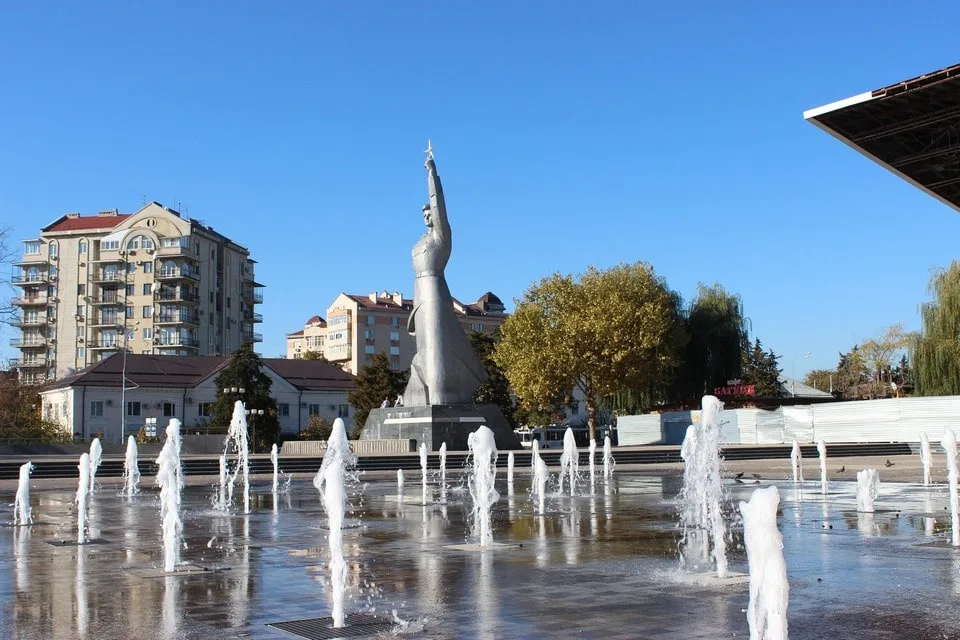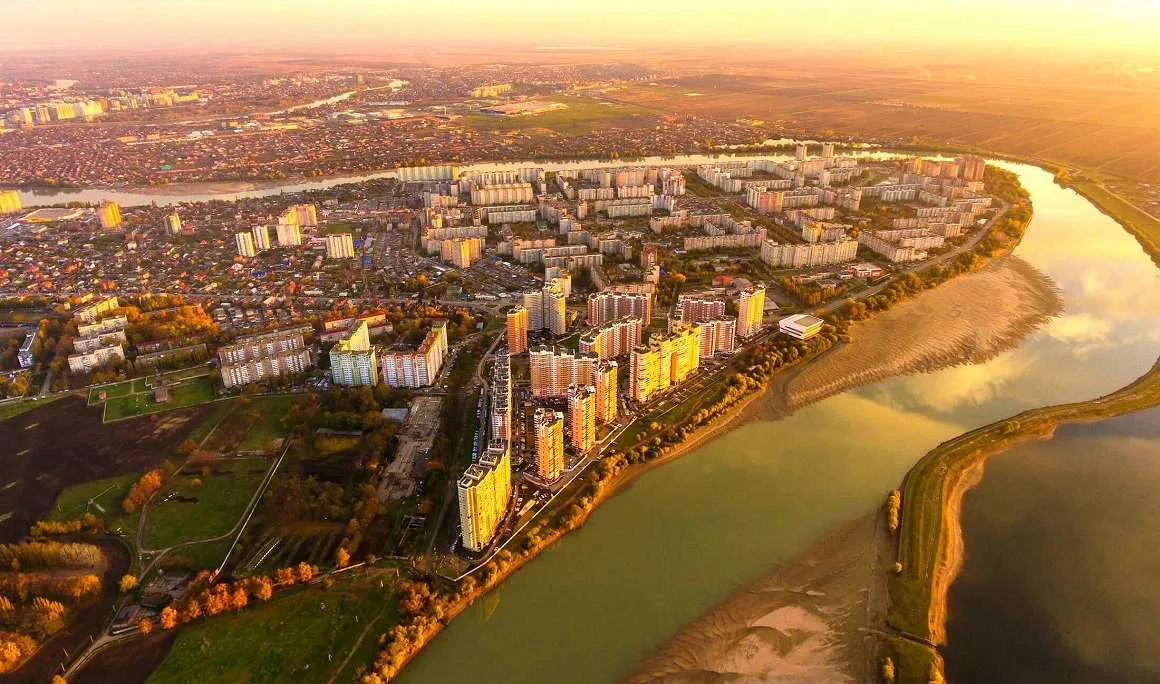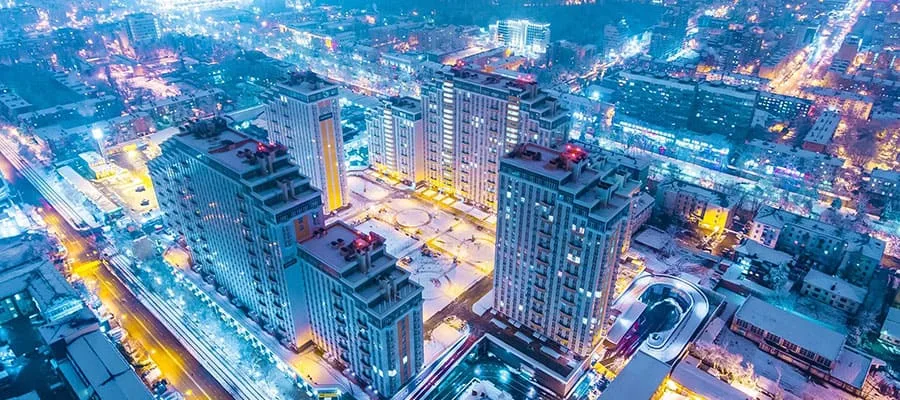
Overview: Why Krasnodar is attracting buyers and investors
Krasnodar, the administrative and economic center of Krasnodar Krai, has been one of Russia’s fastest-growing regional cities. Its favorable climate, diversified economy (agriculture, logistics, manufacturing, services), improving infrastructure and proximity to the Black Sea corridor make it attractive for:
— Primary homebuyers seeking quality of life and lower prices than larger Russian metros
— Investors targeting rental demand from employees, students and seasonal visitors
— Developers and buyers of new-build apartments driven by urban expansion
*If you plan to buy here, understand both city-wide trends and micro‑location differences to make an informed decision.*
Market snapshot (what to look for)
— Supply: active new‑construction sector plus a sizeable secondary market. New projects increasingly use escrow accounts and tighter developer regulation.
— Demand drivers: internal migration, expanding local businesses, and increased consumer spending.
— Price dynamics: steady appreciation in many central and well-connected neighborhoods, with peripheral areas offering lower entry prices but variable liquidity.
Best types of properties for different goals
— Primary residence: modern apartments in established microdistricts with schools, clinics and transit access.
— Buy-to-let: compact one- and two-room apartments near universities, business hubs or metro/bus corridors.
— Long-term capital growth: newly developed central and rapidly gentrifying districts.
— Lower-cost entry: peripheral suburbs and smaller towns in the region — higher yield potential but more management needed.
Key neighborhoods and what they offer
(Use local viewings and up-to-date listings to confirm specifics.)
— Central / City center: best for accessibility, services, and resale liquidity.
— Residential districts with recent development (Karasunsky and others): offer modern apartment complexes and family amenities.
— Peripheral and suburban areas: cheaper per square meter and larger layouts; consider transport and utility readiness.
Legal and regulatory essentials
— Formal registration: property ownership is registered with Rosreestr. A properly recorded title is essential.
— Contracts: use a written purchase agreement and transfer the title only after registration. Many buyers use notary-certified documents for added safety.
— Developer purchases: check whether the project uses escrow accounts or direct financing — escrow is generally safer for buyers.
— Foreign buyers: foreigners can buy apartments and many types of real estate in Russia, but there are restrictions on agricultural land and some border-zone properties. *Always confirm current restrictions with a local lawyer.*
Step-by-step buying process (high level)
1. Define budget, desired area and property type.
2. Search listings, visit properties, and compare.
3. Conduct due diligence: title search, developer history, encumbrances, utility status, and building permits.
4. Negotiate price and contract terms.
5. Sign preliminary or purchase agreements; arrange payment (escrow recommended for off-plan).
6. Register the transfer of ownership at Rosreestr.
7. Pay transfer taxes, notary fees and register utilities as needed.
Financing and mortgages
— Russian banks offer mortgages for individuals; terms and down‑payment requirements vary.
— Foreign buyers may face stricter criteria or higher down payments; some banks will finance non-resident buyers with additional documentation.
— Compare rates, loan terms, and prepayment penalties. Pre-approval simplifies negotiation.
Taxes, fees and running costs
— One-off costs: notary fees, state registration fees, and possibly realtor commissions.
— Ongoing costs: municipal utility bills, maintenance/HOA (TSZH) fees, and property tax.
— Tax on rental income: if you rent out, declare income and account for applicable personal income tax rules or use simplified regimes where allowed. Consult an accountant for optimization.
Due diligence checklist
— Confirm seller’s ownership and absence of encumbrances in Rosreestr.
— Check building permits and zoning compliance.
— For new builds: verify developer reputation, escrow/project financing, and delivery guarantees.
— Inspect the physical condition (foundation, roof, utilities, finishing) and ask for recent utility bills.
— Ensure clear possession terms and timelines if buying off-plan.
Practical tips for buyers and investors
— Work with reputable local agents and an independent lawyer experienced in Russian real-estate law.
— Visit at different times (day/night, weekday/weekend) to assess noise, traffic and neighborhood life.
— Prioritize access to transport, healthcare, schools and shops for resale and rental attractiveness.
— Keep buffer funds for unexpected repairs, registration costs and short vacancy periods for rental properties.
— Consider property management if you live outside Krasnodar or buy several rental units.
Rental market and returns
— Demand for rental units in Krasnodar is sustained by students, local professionals and seasonal workers.
— Yields depend strongly on location, property condition and management; central and well‑connected properties typically rent faster and at higher rates.
— Short-term rentals can generate higher revenue but require active management and compliance with local rules.
Risks and how to mitigate them
— Developer or construction delays: prefer projects with escrow accounts, strong track records and bank guarantees.
— Legal/title issues: always request an up-to-date Rosreestr extract and use a lawyer to verify.
— Illiquid peripheral locations: factor in longer holding periods and potential discount on resale.
Final recommendations
— Do your homework: market research + on-site visits + legal checks.
— Use escrow and documented contracts for new construction.
— Engage local experts (realtor, lawyer, appraiser) to reduce risk.
— Align investment horizon with property type: rentals for steady income, central flats for liquidity and peripheral projects for higher