Quick snapshot: Krasnodar real estate at a glance
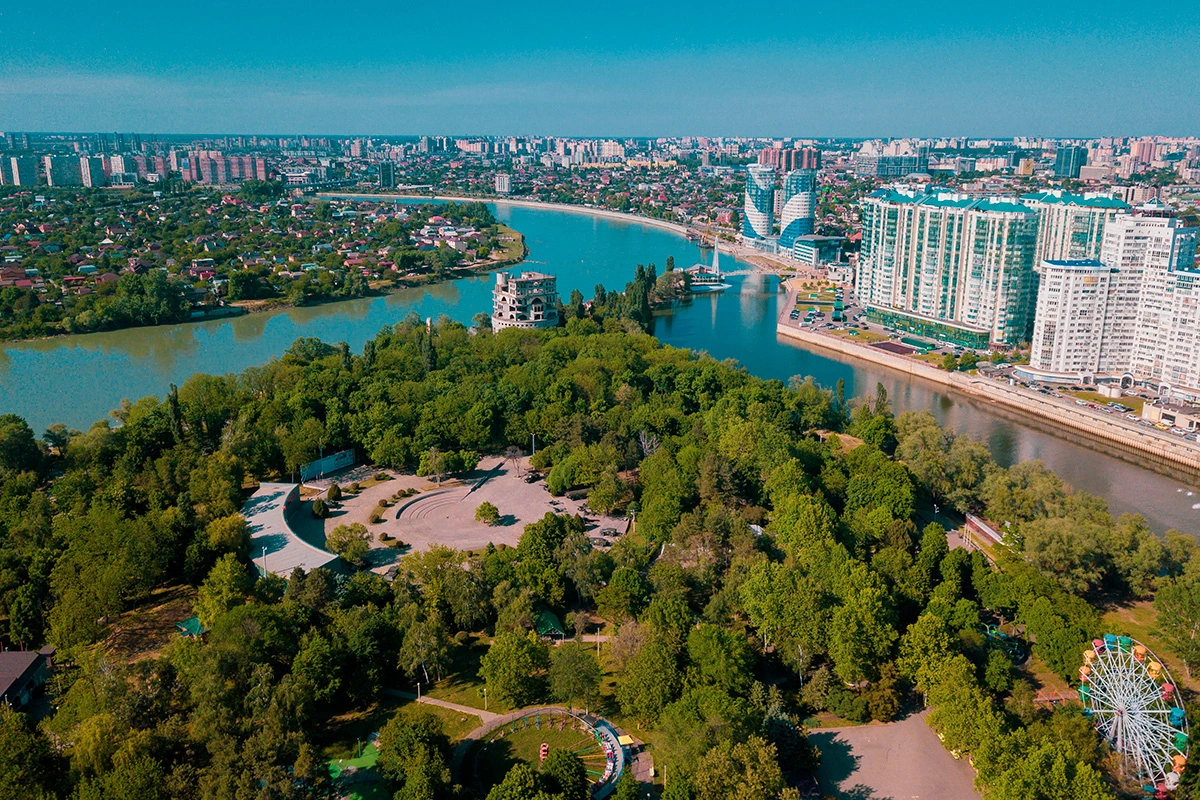
Krasnodar — the administrative center of Krasnodar Krai in southern Russia — combines steady economic growth, mild climate, and expanding infrastructure. It’s an increasingly popular destination for families, young professionals and investors seeking higher yields than major cities like Moscow, with lower entry prices and active rental demand.
Why Krasnodar is attractive
— Growing regional economy: agriculture, logistics, manufacturing and a developing IT/services sector support steady housing demand.
— Strategic location: good road and rail links, plus Pashkovsky Airport with domestic connections and proximity to the Black Sea resorts.
— Demographics: a large student population and inflow of young professionals keep rental demand consistent.
— Lifestyle: mild climate, parks, cultural life and more affordable living costs than Russia’s largest cities.
Neighborhood guide (what to consider)
— Central districts (Tsentralny, Karasun): best for access to offices, restaurants and cultural amenities — popular with professionals and renters.
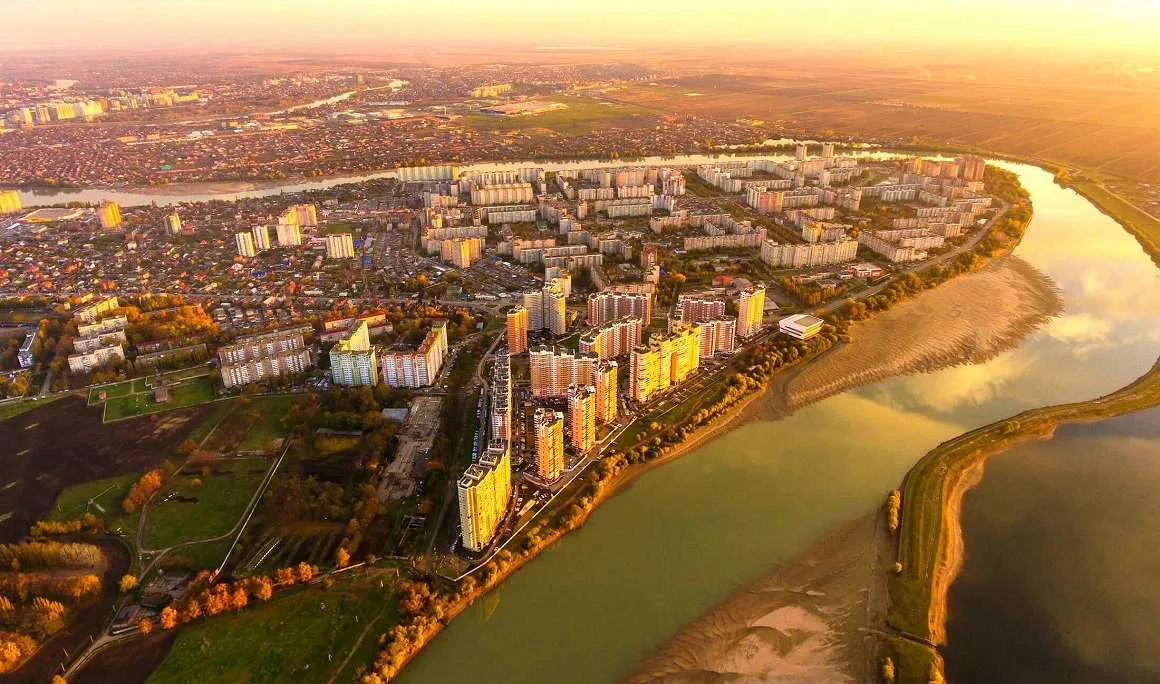
— Residential microdistricts and new-build areas: offer modern apartments, playgrounds and integrated services — attractive for families and long-term residents.
— Suburban and outlying areas: more space and lower prices — good for buyers seeking houses or larger flats with green surroundings.
When choosing a neighborhood, prioritize transport links, schools/medical facilities and future development plans.
Types of properties to target
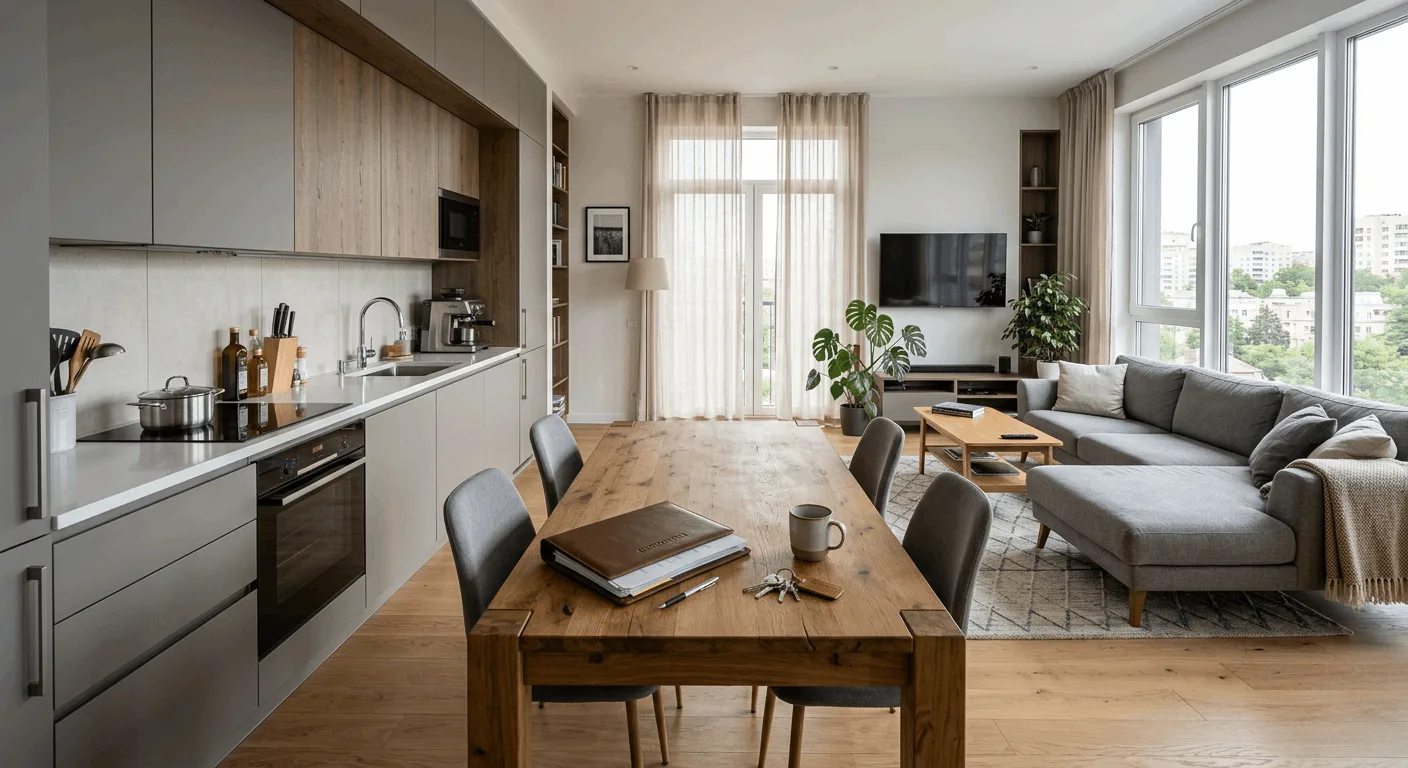
— New-build apartments: modern amenities, warranties and developer financing; easier to rent to professionals and families.
— Secondary-market flats: potentially quicker move-in and negotiable prices; check for renovations and legal cleanliness.
— Private houses and townhouses: appealing for families, but consider maintenance and utility infrastructure.
— Commercial premises: for retail or small offices; assess foot traffic and local business demand.
Investment potential & rental market
— Typical investor profiles: buy-to-rent (long-term residential), short-term rentals for business travelers, and buy-to-sell on price growth.
— Demand drivers: students, relocating professionals, and families moving from smaller towns.
— What to watch: new supply—large construction waves can temporarily slow price growth, while infrastructure projects can boost values in specific districts.
— Yields: rental returns can be attractive relative to many Russian regions, but vary by location and property condition.
Buying process — practical steps
1. Define objectives: primary home, rental income, or capital growth.
2. Budget and financing: assess total costs (purchase price, taxes, registration, notary fees, renovation).
3. Select a reliable local agent and a qualified real estate lawyer.
4. Due diligence: verify seller’s title, encumbrances, building permissions, and utility connections.
5. Contract and payment: use a notarized sale agreement and register ownership with the Federal Service for State Registration (Rosreestr).
6. Transfer and registration: complete state registration of the transaction to secure legal ownership.
Important legal and practical considerations
— Foreign buyers: non-Russian nationals generally can purchase apartments and houses in urban areas but face restrictions on certain land parcels (notably agricultural or restricted/strategic land). Always consult a lawyer experienced in Russian property law.
— Verify encumbrances: ensure there are no mortgages, liens, or legal disputes on the property.
— Rosreestr registration: state registration is essential — ownership is legally effective only after registration.
— Notarization: many transactions require notarized deeds or powers of attorney; use a trusted notary.
Financing, taxes and costs
— Mortgages: many Russian banks offer mortgage lending in Krasnodar; conditions and down-payment requirements vary. Nonresidents may face additional documentation and stricter terms.
— Transaction costs: expect notary fees, registration fees, agent commissions (if used), and possible capital gains tax on resale (depending on holding period and ownership status).
— Ongoing costs: utilities, condo maintenance/HOA fees for apartment complexes, property tax.
Practical tips for a smooth purchase
— Work with local professionals: a bilingual real estate lawyer and an experienced agent reduce risk.
— Inspect thoroughly: check plumbing, heating, windows, insulation and pest issues — winter inspections are useful in Krasnodar.
— Check future development plans: planned roads, new metro/tram lines or commercial projects can boost value — but new housing oversupply can compress rents.
— Negotiate extras: ask developers or sellers for renovations, appliances, or delayed payment plans.
Pre-purchase checklist
— Confirm seller identity and ownership chain.
— Obtain extracts from Rosreestr and, if applicable, the building’s technical passport.
— Verify utility balances and absence of debts.
— Examine the condominium/homeowners’ association rules and fee history.
— Ensure any planned alterations are permitted by local authorities.
Final recommendations
— For first-time buyers: prioritize location, transport and schools. Consider new-builds for lower maintenance.
— For investors: focus on areas with steady rental demand, nearby employment centers and low vacancy rates. Stagger purchases to manage market risk.
— Protect yourself legally: never skip title checks or a lawyer’s review.
If you’d like, I can:
— Prepare a tailored neighborhood shortlist in Krasnodar based on your budget and goals, or
— Outline a step-by-step action plan for viewing, financing and closing a purchase.
Which option would help you next?