Real Estate in Krasnodar: A Practical Guide for Buyers and Investors
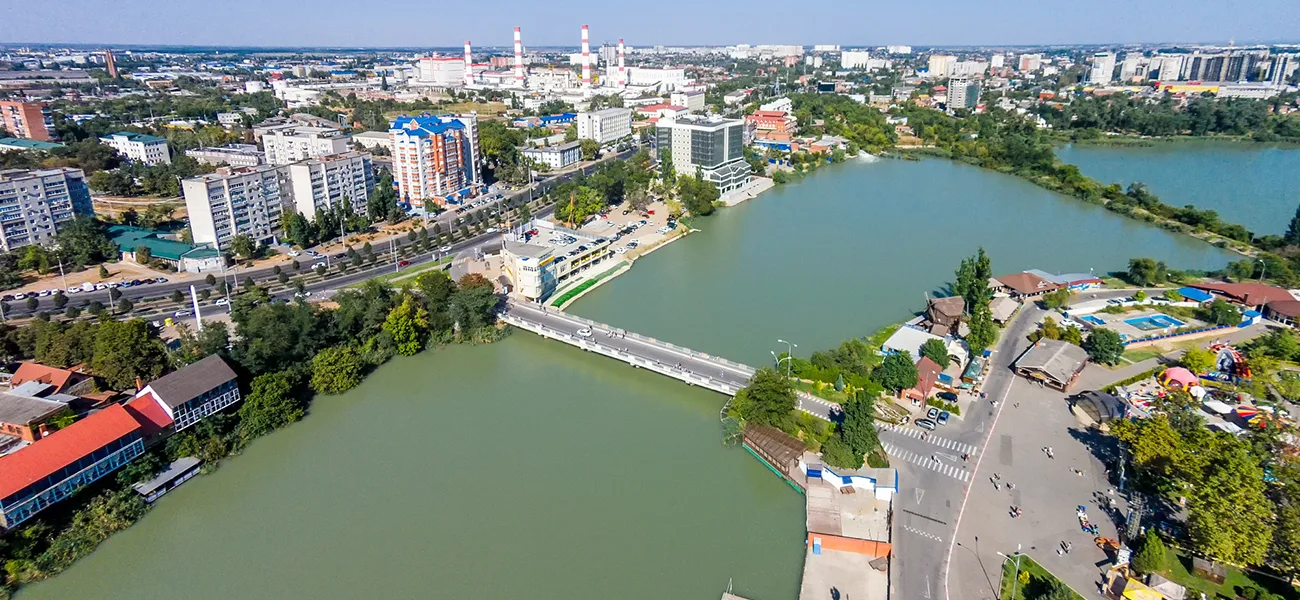
Krasnodar, the administrative and economic heart of the Kuban region, has become one of Russia’s most dynamic real estate markets. With a growing population, improving infrastructure, and a mild climate, the city attracts families, professionals and investors seeking affordable growth potential outside Moscow and St. Petersburg. This guide outlines the current landscape, what to consider when buying, and practical steps to secure a profitable, low-risk purchase.
Market snapshot — why Krasnodar matters
— Strategic regional hub: strong agricultural base, expanding industry, logistics and services sectors.
— Population growth and urban migration drive steady housing demand.
— Relatively affordable prices compared with Russia’s larger cities, which can support healthy rental yields and capital appreciation.
— Pleasant climate, cultural life and improving transport links (airport, highways, rail) make it attractive for long-term residents.
Types of properties to consider
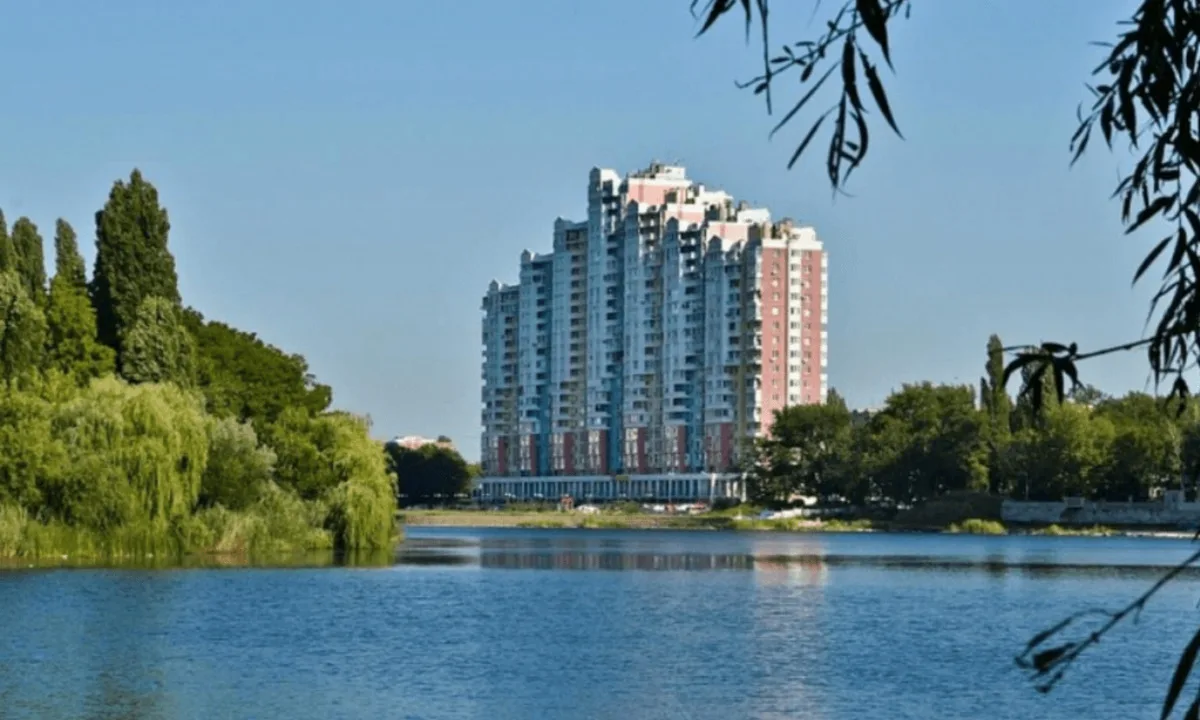
— New-build apartments (novostroyki): popular for modern amenities, warranty from developers and staged payment plans.
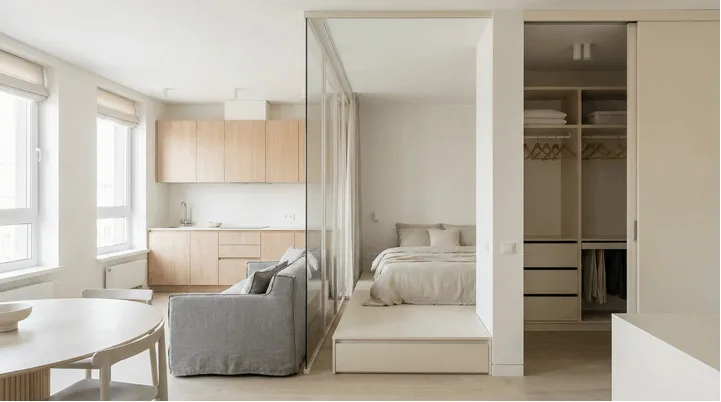
— Secondary market flats: often located in established neighborhoods close to schools and transport; good for immediate rental or occupancy.
— Townhouses/low-rise houses: attractive for families seeking more space; consider utility and road infrastructure.
— Commercial and mixed-use: opportunities in retail, office and logistics near growing business districts.
Best neighborhoods (high-level guidance)
— City center and adjacent districts: close to jobs, culture and transport — higher prices but strong rental demand.
— Rapidly developing residential areas: newer developments with modern infrastructure and amenities — good balance of price and future growth.
— Established residential suburbs: quieter, family-oriented neighborhoods with green spaces and schools.
(For exact neighborhood names and micro-location recommendations, consult a local agent—neighborhood dynamics change with new developments and infrastructure projects.)
What buyers and investors should check
— Developer reputation and licensing: for new builds, verify the developer’s track record, completed projects, building permits and escrow arrangements.
— Title and encumbrances: ensure a clean ownership history on the property and absence of liens or disputes.
— Completion documentation: for new properties, check whether construction is completed, if there are final permits (act of acceptance) and warranties.
— Utility and infrastructure availability: heating, water, sewage, road access and internet—especially important for townhouses and peripheral developments.
— Local market rental rates and vacancy levels: essential for realistic yield projections.
Financing and taxes — practical notes
— Mortgages: widely available from Russian banks for residents; some banks offer products to non-residents but terms vary. Shop rates, down-payments and loan conditions.
— Taxes: property and income taxation rules can change. Rental income and capital gains have tax implications—consult a tax advisor for resident vs non-resident specifics and optimal structuring.
— Transaction costs: account for notary fees, registration fees, agent commissions (if any) and potential repair/upfit costs.
Step-by-step buying checklist
1. Define goals: primary residence, rental income, or long-term capital growth.
2. Research locations and comparable prices; visit in person whenever possible.
3. Shortlist properties and perform inspections (structural, utility systems, developer quality).
4. Conduct title search and request necessary documentation (ownership records, permits).
5. Negotiate price and payment terms; consider escrow or notary-secured payments.
6. Sign preliminary agreements carefully; engage a local lawyer for contract review.
7. Finalize purchase at the registry (Rosreestr) and register ownership.
8. Address immediate needs: utilities registration, insurance, and local taxes.
Risk management and red flags
— Unlicensed developers or ambiguous construction permits.
— Unusually low prices compared with market averages—could indicate hidden defects or legal issues.
— Sellers unwilling to provide full documentation or insisting on cash-only deals.
— Properties near restricted zones (border areas, military facilities) — check legal restrictions on foreign ownership.
Tips for foreign buyers
— Residential real estate is commonly available to foreigners, but rules on land and certain categories can be restrictive or require extra approvals—verify current regulations.
— Use a bilingual lawyer and an experienced local real estate agent.
— Consider currency and repatriation issues if buying as an investment; consult a tax specialist about double taxation treaties and reporting.
Why now could be a good time
— Ongoing regional development and urbanisation support long-term demand.
— Compared to megacities, Krasnodar offers lower entry prices with attractive living standards and upside potential as infrastructure improves.
Final recommendations
— Prioritize due diligence: title checks, developer reputation, and verification of permits will protect your investment.
— Match property type to your goal—new builds for buyers seeking modern convenience and warranties; secondary market for immediate rental returns.
— Work with reputable local professionals: real estate agent, lawyer, inspector and tax advisor.
— Visit the city and properties in person before committing; on-the-ground insight often reveals neighborhood specifics not visible online.
If you’d like, I can prepare a shortlist of current neighborhoods tailored to your goals (rental yield, family living, or long-term appreciation) or a sample due-diligence checklist you can use when viewing properties. Which would you prefer?