Real Estate in Krasnodar: Market Overview, Neighborhoods & Smart Buying Tips
Krasnodar has become one of Russia’s most dynamic regional property markets. Its strategic location in the South, growing economy, improving infrastructure and temperate climate make it attractive for families, professionals and investors. This article gives a practical overview of the market, highlights key neighborhoods, and offers actionable advice for buyers and investors.
Market snapshot
— Krasnodar is generally more affordable than Russia’s largest cities, with steady local demand driven by internal migration and regional business growth.
— The market is a mix of new developments (multi-storey apartment complexes and gated communities) and a large stock of secondary-market apartments and private homes.
— *Demand trends* favor family-oriented housing with access to good schools, transport links and green spaces. Short- and mid-term rentals perform well in central and well-connected areas.
— New infrastructure projects and commercial growth typically support price stability in adjacent neighborhoods.
Types of property to consider
— Apartments in new-build complexes — modern amenities, developer warranties, often marketed with staged financing.
— Secondary-market apartments — potentially better immediate availability, negotiable prices, established neighborhoods.
— Private houses and cottages — popular in suburbs and villages around Krasnodar for buyers seeking more space.
— Commercial real estate — small retail, offices and warehouses can work well for local entrepreneurs; location and tenant quality are crucial.
Key neighborhoods (high-level guide)
— Central / City Centre: Best for professionals and investors seeking strong rental demand, proximity to business services and cultural amenities.
— Krasnaya / Historical areas: Attractive for buyers who value architecture and urban lifestyle; prices can be higher.
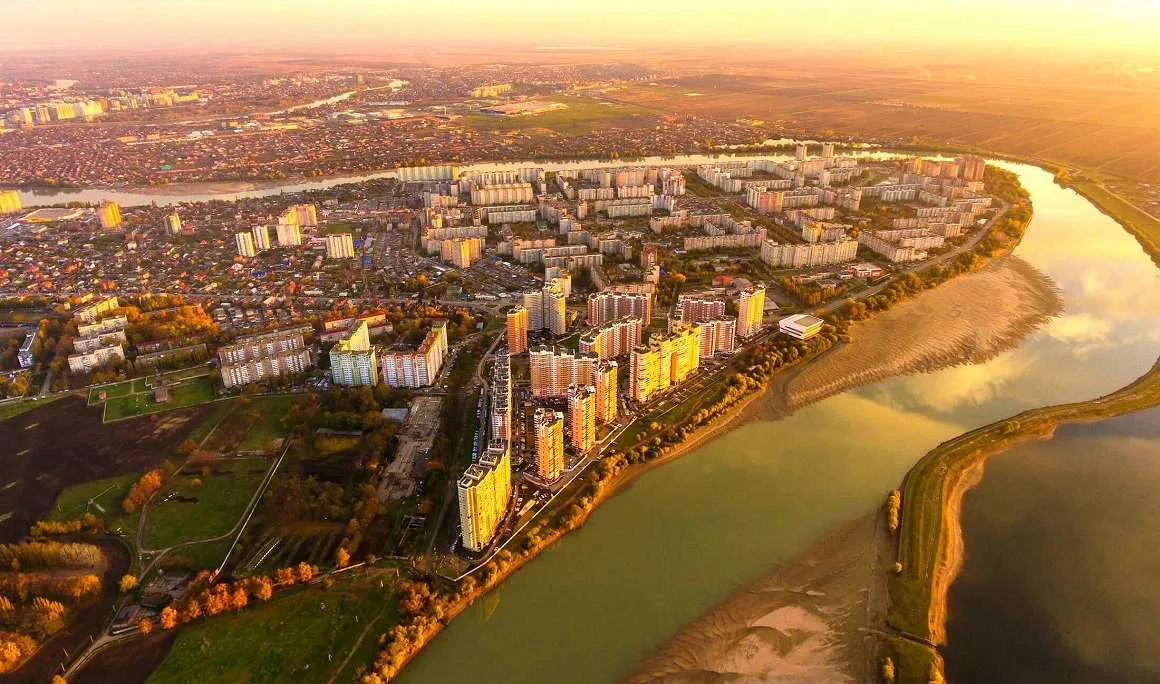
— Residential microdistricts (new developments): Offer modern apartments, landscaped courtyards and facilities — good for families and first-time buyers.
— Southern and suburban zones: More private homes and larger plots; suitable for buyers prioritizing space and quiet.
— Areas near major transport corridors: Convenient for commuting and logistics-oriented commercial projects.
Note: Neighborhood names and boundaries can vary; always visit in person to assess traffic, noise, and local services.
Buying process — essentials
1. Define objectives: primary residence, rental income, long-term appreciation or renovation flip.
2. Budget and financing: check cash vs mortgage options. Russian banks offer mortgages in many cities; terms, down payments and rates vary by bank and buyer profile.
3. Work with a trusted local agent: they navigate listings, paperwork and negotiations more efficiently.
4. Property due diligence:
— Verify ownership and encumbrances in the Unified State Register (EGRN).
— Confirm developer credentials and completion documentation for new builds.
— Check cadastral value and property taxes.
5. Contracts and notary: purchase agreements are typically formalized through a contract and state registration at the Rosreestr office; notarial certification may be required for certain transactions.
6. Transfer of title and keys: ensure all utilities and taxes are settled before final handover.
For foreign buyers
— Foreign citizens can buy apartments freely in Russia. There are restrictions on acquiring agricultural land and some land near borders.
— Residency status may affect mortgage access — non-residents can obtain financing but terms differ.
— Use a bilingual lawyer or agent experienced with foreign buyers to handle documentation and translation.
Financing and taxes
— Mortgage availability exists through regional and national banks; lenders assess income, employment history and property valuation.
— Expect property tax based on cadastral value; rental income and capital gains have tax implications — consult an accountant for specifics and optimization.
— Some developers offer staged payment plans or discounts for early buyers.
Tips for investors
— Focus on location: proximity to transport, universities, business centers and amenities drives rental demand.
— Consider long-term holds in stable neighborhoods; short-term flips require thorough cost estimates for renovation and market timing.
— Renovation and staging can significantly boost rental rates and resale value, but calculate ROI carefully.
— Diversify across property types (apartment plus small commercial unit) to spread risk.
Common pitfalls to avoid
— Skipping a full title search or failing to verify debts/encumbrances.
— Overpaying based on staged developer marketing without independent valuation.
— Underestimating renovation, management and vacancy costs for rental properties.
— Relying solely on online listings — many good deals and local nuances require on-site checks.
Practical next steps
— Define your investment horizon and acceptable risk profile.
— Schedule neighborhood viewings at different times of day.
— Get pre-approval from a bank if you plan to finance the purchase.
— Hire a local lawyer and a licensed real estate agent to handle due diligence and paperwork.
Conclusion
Krasnodar offers attractive opportunities for buyers seeking affordability, lifestyle advantages and regional growth potential. Success hinges on clear goals, disciplined due diligence and working with reliable local professionals. Whether you’re buying a family home, an income property, or a small commercial asset, careful research and a pragmatic approach will maximize your chances of a smart, secure investment.
If you want, I can prepare a tailored list of neighborhoods for your budget and goals, or a checklist for property inspections specific to Krasnodar. Which would you prefer?